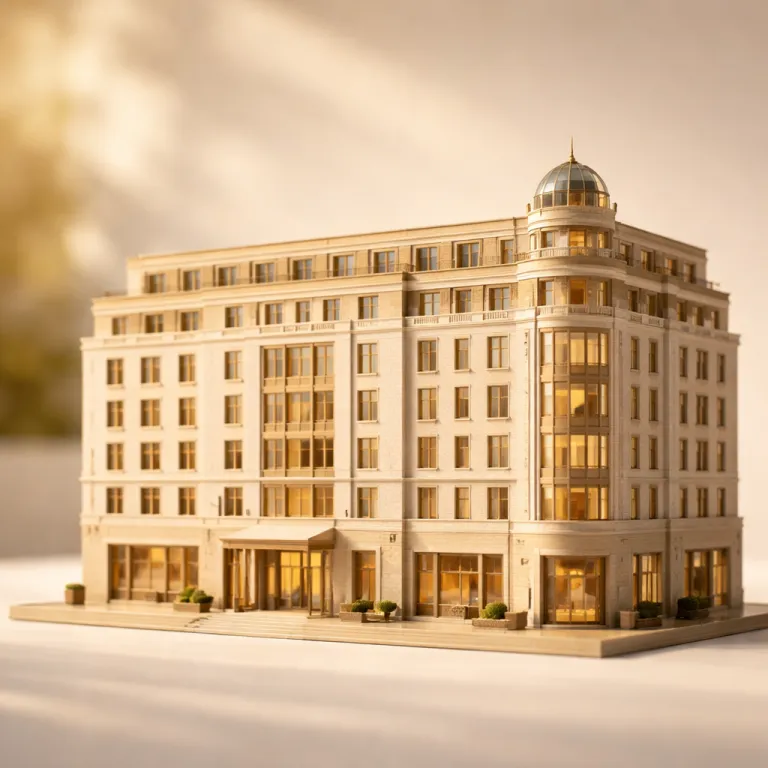
Hotel finland review: what Hotel Kämp’s rebirth means for Helsinki
Hotel Kämp has always been the hotel that defined central Helsinki. For this hotel Finland review, the focus is on what a 139 year old property gives up and gains as its extensive refurbishment completes in August, right on Esplanadi facing Stockmann and a short walk from Senate Square. The question for luxury guests is simple yet demanding ; can a historic hotel stay genuinely grand while competing with the new Waldorf Astoria and Grand Hansa openings across the city.
The refurbishment adds 22 new rooms and suites, a full service spa and a refreshed A La Kämp restaurant and Kämp Bar, shifting the hotel’s market position from heritage first to a more rounded urban resort. That matters for business leisure travellers who now expect a serious wellness offering after a long winter trip of meetings, rather than just a traditional Finnish sauna in the basement. In this hotel Finland review, the property emerges as the one Helsinki place to stay that still carries the names of Sibelius and Mannerheim in its walls, while quietly preparing to charge rates aligned with the best addresses in northern Europe.
History here is not a marketing line ; it is a lived experience that shapes how the front desk handles regulars, how the bar remembers preferred drinks and how the concierge arranges a same day trip north when the first snow arrives. Executives extending a stay in Finland for winter travel will notice that Kämp’s service culture feels closer to discreet Nordic private clubs than to the louder international chains. The trade off is that some rooms, at least until every floor is fully refreshed, may feel less arctic chic than the glass heavy newcomers, a point this hotel Finland review weighs carefully for readers planning a high stakes business trip.
While Hotel Kämp leads the headlines, Helsinki’s wider hotel scene is shifting too, and that context matters for any serious hotel Finland review. At the other end of the price spectrum, Hotel Finn on Kalevankatu shows how a modest hotel can still earn strong loyalty through location and cleanliness, even without a breakfast buffet or air conditioning. Its overall review score of 8.3 out of 10, with a 9.5 for location and 8.6 for cleanliness on Booking.com, underlines how Finnish guests quietly prioritise efficiency and centrality over spectacle when they choose where to stay.
Hotel Finn partners with nearby cafés instead of running its own breakfast buffet, a reminder that not every hotel in Finland needs a sprawling restaurant floor to satisfy urban travellers. For business guests who split their time between premium properties and simpler stays, this contrast sharpens expectations of what a luxury hotel should deliver in return for a higher nightly rate and any extra cost. In this broader hotel Finland review landscape, Kämp’s refurbishment is less about chasing trends and more about ensuring that when a guest pays for the best place to stay in the capital, the experience feels meaningfully different from a well run three star address.
From Kämp Bar to the new spa: what luxury guests should expect
The most sensitive part of the refurbishment is not the new spa but the Kämp Bar, a Helsinki institution where generations have met under low lights and heavy drapes. When management talks about a refreshed bar, regulars quietly worry that the unique patina of tobacco stained stories and political whispers might be replaced by generic arctic themed décor and too much glass. For this hotel Finland review, the expectation is clear ; lighting, acoustics and service choreography must remain intimate, even if the cocktail list and seating are updated for a new wave of northern business travellers.
The new spa and wellness centre, carved into a 139 year old shell, signals how Helsinki now competes with Finnish Lapland and even nearby Norway for winter travel spend. Guests who once flew straight to Rovaniemi for glass igloos and northern lights now have a reason to begin or end their trip with a serious urban spa stay, complete with sauna rituals that feel rooted rather than performative. If Kämp gets this balance right, it will become the best city hotel in Finland for travellers who want both heritage and a controlled, indoor version of the arctic recovery culture they might otherwise seek in Lapland snow.
There is a cost to inserting pools, treatment rooms and relaxation areas into an old building ; some back of house corridors tighten, some original stonework disappears and some suites lose secondary doors. Yet the gain in market position is significant, because the hotel can now credibly package a two night stay in Helsinki with a curated day trip to Rovaniemi or to the quieter reaches of Finnish Lapland, without guests feeling they missed the full winter experience. For executives, that means a single hotel stay can bridge boardroom obligations and a soft landing into a bucket list style arctic weekend, without the logistical strain of multiple check ins and rushed transfers.
Heritage purists may argue that a grand hotel should not chase spa trends, but the reality of the northern luxury market is unforgiving. Travellers comparing a hotel in Helsinki with a glass igloo resort near Rovaniemi Arctic Circle now expect both a strong sauna programme and wellness treatments that address jet lag from long haul travel via Norway or central Europe. In that context, Kämp’s move is less about fashion and more about ensuring that when a guest reads any serious hotel Finland review, the property still appears in the same sentence as the best winter travel addresses in the region.
For readers interested in how Finnish properties are rethinking service and design, the analysis of Italian coastal hospitality in this elegant Finnish perspective on Positano’s Covo dei Saraceni offers a useful counterpoint in terms of light, materials and guest flow. It shows how a hotel can frame sea or snow views without overwhelming the interior calm that high level business travellers seek after long days of negotiation. Kämp’s designers appear to be following a similar logic, using restrained palettes and layered textures rather than overt arctic motifs, a choice that should age better than more literal northern lights themed interiors.
Pricing, competition and whether to wait for Kämp’s August reopening
With Waldorf Astoria and Grand Hansa entering the Helsinki market, pricing is the quiet battlefield behind every hotel Finland review. Kämp’s refurbished rooms, expanded suites and new spa will almost certainly push average daily rates upward, aligning the property with the best addresses in northern Europe rather than just the local competition. For executives planning a winter trip that may extend into leisure, the decision is whether to lock in current rates at alternative hotels or to wait for August and accept that the extra cost at Kämp buys both history and a sharpened wellness offering.
For those whose bucket list includes northern lights, glass igloos and dog sledding in Rovaniemi or wider Lapland, Kämp now makes strategic sense as a Helsinki anchor before or after heading north. A guest might arrive for meetings, enjoy two nights in the capital with spa time and refined dining, then fly to Hotel Rovaniemi or another Lapland place to stay that specialises in snow based excursions and curated lights tours. This sequencing allows travellers to keep their packing list focused, leaving heavy arctic gear for the Lapland segment while using Helsinki for tailored suits, light wool and the kind of urban evenings that do not require thermal boots.
For readers who manage travel budgets with the precision of a corporate P&L, transparency around pricing structures and affiliate links matters. On myfinlandstay.com, some hotel pages may contain affiliate links that can earn a small commission at no extra cost to the reader, and those links earn only when a booking is completed, never influencing the editorial verdict. That separation is essential to maintain trust in any hotel Finland review, especially when comparing properties that range from heritage icons like Kämp to efficient addresses such as Hotel Finn, where online booking and direct reservation channels coexist with partnerships with local cafés and tour operators.
Guest stories from recent seasons underline how expectations are shifting across Finland’s hotel landscape, from Helsinki to Rovaniemi Arctic experiences. One frequent traveller summed up the appeal of a well run budget hotel this way ; “No, but discounts are available at nearby cafes” and “Yes, the hotel is pet friendly” sit alongside “No, rooms do not have air conditioning” in the same factual Q&A, and yet the overall satisfaction remains high because cleanliness and location deliver. That same traveller now expects a luxury front desk to arrange last minute lights tours, manage complex winter travel connections and coordinate with Lapland partners, raising the bar for what a five star place to stay must offer beyond polished marble and a generous breakfast buffet.
Executives deciding whether to wait for Kämp’s reopening should weigh three factors ; the importance of staying at Helsinki’s most storied address, the value they place on a serious spa and sauna programme and their broader itinerary across Finland and possibly Norway. If the trip is primarily business with limited time for arctic excursions, a stay at Kämp from August onwards will likely feel like the best synthesis of heritage, service and urban calm. Those whose main goal is extended time under the northern lights in Finnish Lapland may be better served by prioritising glass igloos and remote lodges, using Helsinki simply as a functional gateway where a reliable hotel and efficient front desk matter more than grand history.
For a deeper look at how hospitality leaders are rethinking service models that bridge luxury expectations and Nordic practicality, the analysis of a hospitality manager at Aspen Peak Retreats and its lessons for Finnish innovation offers a useful framework. It shows how properties can refine guest journeys from first contact to check out, a perspective that applies as much to a grand Helsinki hotel as to a Lapland retreat. In the end, the most valuable hotel Finland review is the one that helps travellers align their own priorities with the specific strengths of each property, rather than chasing generic notions of the best or most unique stay.