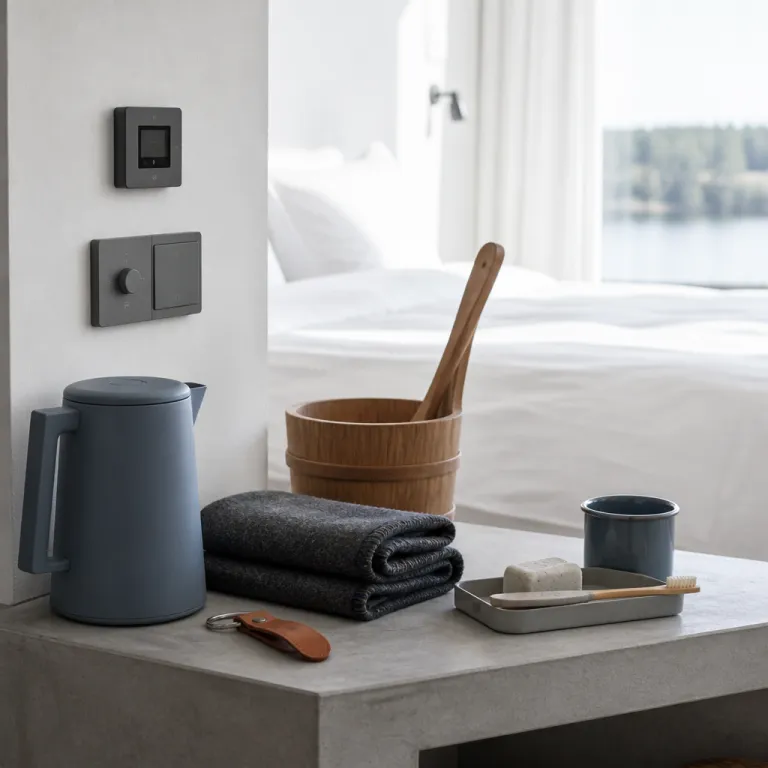
Nordic design hotel Finland: beyond the cliché of empty white space
Step into a carefully curated Nordic design hotel in Finland and the first impression is rarely about spectacle. The best hotels in Helsinki and across northern Finland use design to lower your shoulders, not raise your pulse, because the architecture, materials and light are calibrated for quiet focus. Industry reports from the Finnish Hospitality Association (MaRa) and Visit Finland note that many new and renovated properties now lean toward minimalist or “Nordic calm” interiors, but the real distinction lies in how each hotel building translates landscape and culture into rooms that feel both deeply Finnish and globally fluent rather than generic.
Nordic minimalism in a Finnish hotel room is rooted in function, not fashion. Visit Finland’s public accommodation guidelines repeatedly emphasise simplicity, practicality and the use of natural materials as core principles of local hospitality design, even if individual hotels interpret them in different ways. That philosophy shapes everything from the placement of a reading lamp in a deluxe corner suite to the way a corridor frames a glimpse of northern lights over Finnish Lapland, turning hotels into liveable essays on proportion and restraint instead of showrooms for passing trends.
Designers and hotel guests play complementary roles in this ecosystem of calm. Designers act as creators who use sustainable materials, local craftsmanship and design software to refine every line, while guests become the final editors who test whether the interior design genuinely enhances a stay. When you book through a curated, design focused platform rather than a generic listing site, you are not only choosing between hotels and rooms; you are choosing between interpretations of Finnish design DNA, from Alvar Aalto inspired curves in Helsinki to arctic glass suites near the Arctic Circle. As one Helsinki based architect put it during a recent hotel renovation tour, “If a guest sleeps well, moves easily and remembers the light, the design is doing its job.”
Finnish design DNA: from Alvar Aalto to the Arctic Circle
To understand what a Nordic design hotel in Finland should feel like, start with Alvar Aalto and his humanist functionalism. In the best hotels, Aalto is not a name dropped for design awards but a quiet presence in the curve of a chair, the rhythm of a window, or the way a lobby staircase softens the transition between public and private spaces. When a design hotel references Alvar Aalto or his collaborator Aino Aalto, it usually means the building respects human scale, natural light and the tactile pleasure of wood, glass and wool rather than relying on flashy decor.
In Helsinki, heritage properties such as Hotel Kämp or Hotel St. George show how a historic hotel building can absorb contemporary Finnish design without losing gravitas. A guest moving from a marble clad lobby into serene hotel rooms will notice how Finnish design brands, sculptural lighting and curated art culture work together to create continuity rather than contrast. These hotels become places to stay where the story of Finnish modernism, from Alvar Aalto to Marimekko textiles and Iittala glass, is told through headboards, glassware and even the curve of a sauna bench, turning an overnight stay into a quiet design lesson.
Farther north, the design language shifts with the latitude. In Finnish Lapland, properties such as Arctic TreeHouse Hotel or a high end treehouse hotel near Levi use panoramic glazing as their main design gesture, often with generous floor to ceiling windows that turn the northern lights and arctic forests into living artworks. Here, the most successful hotels and resorts understand that guests come to stay arctic, so the design hotel concept is less about decorative objects and more about framing the Arctic Circle horizon line from bed, bath and even the private outdoor terrace, sometimes with a small fireplace or sauna completing the scene.
The material argument: warmth, texture and traditional Finnish craft
Minimalism in a Nordic design hotel in Finland begins with materials that feel honest under the hand. Finnish designers consistently prioritise local wood, stone and wool, not because they photograph well, but because they age gracefully and connect a hotel room to the surrounding forest, shoreline or city park. When you enter a deluxe suite in Helsinki or a quiet wing near Levi, the first thing you notice is often the grain of the timber underfoot or the weight of a traditional Finnish wool blanket at the end of the bed, still warm from the radiator beneath the window.
In practice, this material first approach means that interior design decisions start with what is locally available rather than what is trending on international mood boards. Aino Aalto glassware on a writing desk, hand loomed rugs from Finnish Lapland and linen curtains that filter northern light all contribute to a sense of place that no imported marble can match. Even in urban hotels and resorts, the best hotel rooms use Finnish design objects as everyday tools, not museum pieces, so guests can feel the difference when they pour water, hang a suit or slide open a balcony door, noticing how each handle, hinge and textile has been chosen to feel quietly robust.
For business leisure travellers, this material coherence has a measurable effect on how a stay feels, even if it is hard to quantify precisely. Clean lines and natural textures reduce cognitive noise, making it easier to focus on a presentation in the evening and the northern lights outside later at night. When you book a stay through a curated platform, look for properties that mention sustainable materials, local artisans and traditional Finnish craftsmanship in their room descriptions, whether the hotel is a city landmark, an arctic treehouse retreat or a discreet private island hideaway reached by boat, because these details usually signal long term thinking rather than short term styling.
Inside the room: how design supports the way you actually live
Step into a well considered Nordic design hotel room in Finland and the layout tells you exactly how to use the space. The bed is usually oriented toward a window, not a television, because the view over Helsinki rooftops, a forest near Levi or the Arctic Circle sky is treated as the primary artwork. Storage is integrated into the building envelope, with wardrobes and luggage benches recessed into walls so the room feels open without sacrificing function, and circulation routes kept clear enough that you can move around in the dark without bumping into a chair.
Lighting is where many Finnish hotels quietly excel. Layered lamps, dimmable ceiling fixtures and carefully placed reading lights allow guests to tune the atmosphere from focused work mode to soft evening calm, which matters when the northern lights might appear at midnight. In arctic properties such as Arctic TreeHouse Hotel or a design forward hotel Levi chalet, the interplay between interior lights and the aurora outside is intentional, with reflective surfaces kept to a minimum so guests can stay arctic in comfort while still reading, working or sharing a late night drink, often with a throw blanket and a small tray for tea within easy reach.
Thoughtful interior design also shows up in the micro decisions that shape a stay. Power outlets are placed where laptops actually sit, desks are deep enough for real work, and armchairs invite you to linger with a book rather than perch for ten minutes. In many contemporary Finnish rooms, a standard double is compact yet efficient, with at least one generous circulation path kept clear so movement feels effortless. When you compare hotels or read design showcases such as a guide to timeless Finnish hotel style, pay attention to photos of hotel rooms rather than just public spaces; the best places to stay reveal their priorities in how they handle a bedside table, a bathroom shelf or a small in room sauna, not only in the lobby statement pieces.
How to read a Finnish hotel room like a design insider
Design conscious travellers evaluating a Nordic design hotel in Finland can learn to read a room the way local architects do. Start with light quality; ask yourself how the room handles the low winter sun, the long summer evening and the glow of city or arctic lights after dark. A room that feels balanced in all three conditions, whether in Helsinki or deep in Finnish Lapland, usually reflects serious thought from designers and hoteliers rather than a quick cosmetic refresh.
Next, trace the provenance of what you touch most. Chairs, tables and bed frames inspired by Alvar Aalto or produced by contemporary Finnish design studios signal a commitment to authenticity rather than generic catalogue furniture. Textiles from respected Finnish makers, art that reflects local art culture rather than generic prints, and bathroom amenities that reference traditional Finnish sauna rituals all indicate that the hotel has invested in a coherent story rather than surface level style, and that the design budget has been spent where guests will actually feel it.
Finally, consider how the room supports the specific way you travel. Business leisure guests extending a Helsinki work trip into a weekend at a treehouse hotel near Levi need strong Wi Fi, a generous desk and a chair that supports long calls, but they also benefit from a window seat facing the northern lights and a quiet corner for morning coffee. When you book a stay, look for room descriptions that mention Finnish design, interior design coherence and practical details such as blackout curtains, acoustic insulation that keeps corridor noise low and flexible lighting; these are the subtle luxuries that turn a simple hotel stay into a restorative design experience that lingers in memory.
FAQ
What defines Nordic minimalism in a Finnish hotel room?
Nordic minimalism in a Finnish hotel room is defined by simplicity, functionality and the use of natural materials such as wood, stone and wool. Layouts are clear and intuitive, with storage integrated into walls and furniture to keep visual noise low. The overall goal is to create a calming, functional environment that reflects Finnish culture and landscape rather than a passing design trend, allowing guests to feel both grounded and quietly indulged.
How do Finnish hotels use local materials in their design?
Finnish hotels typically prioritise locally sourced timber, stone and textiles when designing rooms and public spaces. Floors, wall panels and furniture often showcase regional woods, while woollen blankets and rugs are produced by Finnish artisans. This approach supports sustainability, strengthens the connection to place and ensures that materials age gracefully over time, so that a room can feel welcoming on its first season and still feel relevant years later.
Why do so many Finnish hotels adopt minimalist interiors?
Many Finnish hotels adopt minimalist interiors because the approach aligns with national values of practicality, modesty and respect for nature. Clean lines and uncluttered spaces make rooms easier to use and maintain, while also helping guests relax after travel or work. The style also allows natural light, views and carefully chosen design objects to stand out without competition, which is especially important in destinations where the landscape is a major reason for the trip.
How can I tell if a Finnish hotel room is well designed?
A well designed Finnish hotel room feels intuitive from the moment you enter. Light switches are where you expect them, storage is generous but discreet, and furniture supports both work and rest without compromise. Look for coherent materials, thoughtful lighting layers and Finnish design pieces that feel integrated into daily use rather than displayed as decoration, as well as small touches such as a place to put a suitcase or hang a wet coat without cluttering the space.
Is Nordic minimalism suitable for business travellers in Finland?
Nordic minimalism works particularly well for business travellers because it reduces distractions and supports focus. Clear surfaces, ergonomic furniture and well placed lighting make it easier to work efficiently, while natural materials and warm textures prevent the space from feeling austere. For executives extending a trip into leisure time, this balance of clarity and comfort is a significant advantage, turning a work trip into an opportunity to experience Finnish design in a relaxed, everyday setting.