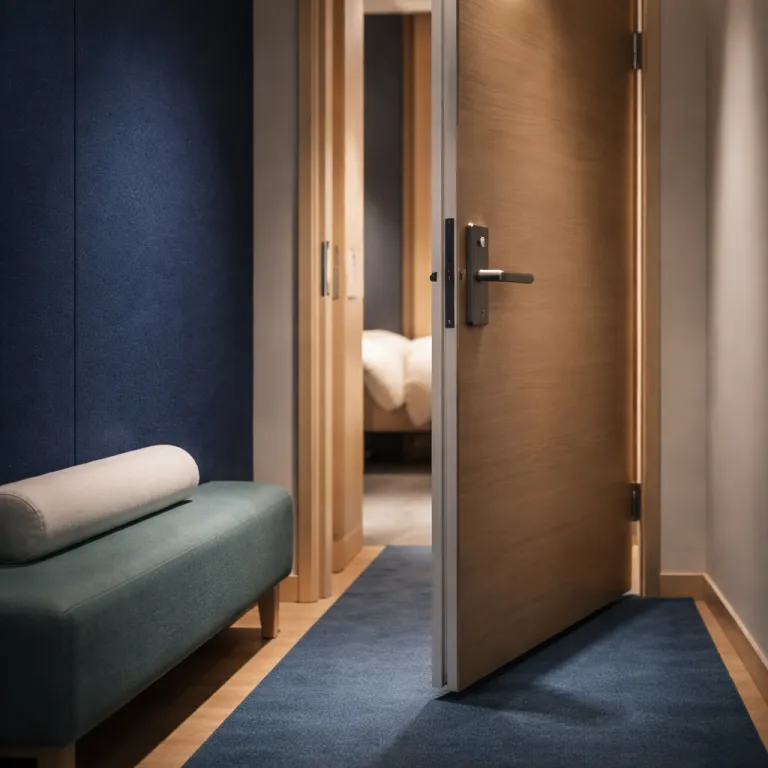
Hushpitality in Finland: when silence becomes the real five star upgrade
Luxury stay Finland has shifted from spectacle toward something quieter. In a country where the Finnish character values understatement, the new language of hushpitality, low stimulus luxury, and sensory retreat simply feels honest. For many guests, the best hotel rooms in Finland now promise a calm mind before they promise a dramatic view.
Hushpitality describes a hospitality philosophy where a hotel or resort deliberately removes noise, clutter, and visual overload. Low stimulus luxury in Finnish Lapland means dimmer lighting, fewer push notifications, and more time in immersive nature rather than in a lobby bar playlist. A sensory retreat in Lapland is not about selling a single northern lights moment, but about curating hours of quiet between the forest, the spa, and the snow.
The vocabulary hides something too, because not every hotel using these words is serious about silence. Some luxury hotels in Helsinki add a “mindfulness corner” while still blasting music in the restaurant and over programming their guests. A credible luxury stay Finland filters out this noise and focuses instead on high quality sleep, acoustic design, and a class of service that respects personal space.
Finland already has the raw materials for hushpitality, from the vast wilderness of Finnish Lapland to the Baltic coastline and the Arctic Circle forests. When a resort here leans into silence, it can offer something unique that a city spa resort elsewhere cannot easily copy. Industry summaries from Visit Finland and the Finnish Hospitality Association note that high end hotels attract steady demand across seasons, suggesting that refined quiet is not niche but central to the premium travel market.
Historic properties such as Hotel Kämp and Hotel St. George in central Helsinki have already learned that silence is part of their competitive edge. Their best hotel rooms face inner courtyards, not tram lines, and their spa areas are designed as low whisper zones rather than social clubs. New arrivals like Waldorf Astoria Helsinki extend this logic, pairing Nordic wellness spa rituals with a disciplined approach to sound and light.
For a solo explorer planning a luxury stay Finland, the language on a property website is now a crucial filter. When you read about immersive nature, private saunas, and slow mornings rather than only about aurora chasing, you are usually closer to genuine hushpitality. When the copy leans heavily on photo led marketing and constant activities, you are likely looking at a spectacle driven lodge instead.
Octola, Javri Lodge and the private silence benchmark in Finnish Lapland
In Finnish Lapland, hushpitality becomes most visible at the very top of the market. Octola Finnish Lapland Private Wilderness is the clearest benchmark, because it treats silence as an asset rather than an absence of entertainment. The entire resort is structured so that guests feel alone in the wilderness, even when every hotel room is occupied.
Octola’s main lodge and its newer villa wing sit inside a private forest estate north of the Arctic Circle. Instead of a conventional spa resort, you get a sequence of quiet rituals, from a wood fired sauna to a firelit lounge where phones feel out of place. One recent guest described the atmosphere as “so still that you hear your own footsteps in the snow,” and the northern lights, when they appear, are framed as a bonus to an already complete sensory retreat, not the sole justification for the stay.
Javri Lodge, the former presidential retreat turned intimate lodge Finnish property, follows a similar philosophy on a smaller scale. With only a handful of hotel rooms, it can maintain a near monastic calm, especially outside peak winter wonderland weeks. Guests here talk less about the best Instagram view and more about the silence of the surrounding forest at midnight.
These properties also show how a luxury stay Finland can integrate high quality design without breaking the hush. Interiors use natural materials, soft textiles, and warm light, so the Arctic outside remains the main spectacle. Even the way staff move through the hotel and resort spaces is calibrated to keep sound low and interactions unhurried.
Kurula’s in Pyhä and Arctic Nook in Levi represent a newer generation of small scale, design led hotels in Lapland that experiment with hushpitality. They sit between a classic resort and a private villa, offering self contained suites with panoramic view windows and direct access to the snow. For solo guests, this format balances privacy with just enough service, making it easier to fill days with quiet rather than scheduled excursions.
In these places, the northern lights are treated as part of a wider Arctic experience, not as a guaranteed nightly show. Marketing focuses on skiing, snowshoeing, and slow mornings in immersive nature, which is a more honest reflection of life above the Arctic Circle. For readers interested in refined, adults only calm, the curated guide to exceptional adults only hotels and premium stays in Finland is a useful next step.
From aurora packages to hush: how Lapland lodges and Helsinki hotels diverge
Not every luxury stay Finland has embraced hushpitality, and the contrast is instructive. Many Lapland lodges still build their entire proposition around aurora packages, snowmobile safaris, and photo led marketing. These hotels and resorts sell a winter wonderland fantasy that can feel exhilarating for a night and exhausting for a week.
At these properties, the lobby is busy, the restaurant is loud, and the schedule is full from breakfast to late evening. Guests are encouraged to fill every hour with activities, from husky rides to glass igloo photo sessions under the northern lights. When the weather does not cooperate, the gap between the promise and the reality becomes painfully clear.
By contrast, the hush driven lodges in Finnish Lapland design their days around slowness and choice. A hotel Rovaniemi that takes silence seriously will offer guided walks into the nearby wilderness, but it will also defend unscheduled time as part of the experience. The best of these properties understand that solo travellers often come to the Arctic Circle to hear their own thoughts again.
Helsinki adds another layer, because urban hushpitality must coexist with city life. Hotel Haven, for example, has become a reference point for a view hotel that still feels acoustically controlled, especially in its harbour facing rooms. Other Finland hotels in the capital, from Hotel Kämp to Waldorf Astoria Helsinki, use double glazing, inner courtyards, and carefully zoned spa areas to keep noise at bay.
The counter trend still sells, of course, because not every traveller wants or needs silence. Some luxury hotels in Lapland thrive on spectacle, with on site nightclubs, busy lobbies, and constant entertainment. For a certain audience, this is the best version of a resort, and there is nothing inherently wrong with that.
For readers trying to choose between these paths, clarity matters more than marketing language. A property that publishes detailed information about room orientation, acoustic design, and quiet hours is usually serious about hushpitality. To compare different Arctic properties on these terms, the in depth guide to luxury arctic hotels in Finland offers a useful framework.
Reading between the lines: how to book real hushpitality in Finland
When you plan a luxury stay Finland online, the property website is your first acoustic test. Look for concrete details about soundproofing, room layout, and how many hotel rooms share each sauna or spa area. Vague promises of “peaceful surroundings” without specifics usually signal a marketing layer, not a true sensory retreat.
Language about immersive nature is a strong indicator, but it needs to be backed by maps and distances. A resort that shows exactly how far it sits from the nearest road or village is more likely to deliver real wilderness silence. If a hotel in Finnish Lapland claims isolation yet offers hourly shuttle buses to a shopping centre, you can safely question the narrative.
Pay attention to how a hotel or spa resort describes its daily rhythm. Do they highlight long breakfast windows, flexible check in, and unstructured afternoons, or do they push fixed time slots and back to back excursions. A hush driven property will often limit group sizes and encourage guests to use private saunas or private island style cabins for quiet time.
Specific names can help you calibrate expectations. A view hotel such as Hotel Haven in Helsinki, or a design focused treehouse hotel like Arctic TreeHouse near Rovaniemi, both show how high quality architecture can frame the Arctic without overwhelming the senses. When you see references to places like Javri Lodge or Octola Finnish Lapland Private Wilderness, you are usually in the right conceptual neighbourhood.
Sauna culture is another filter, because real hushpitality in Finland treats sauna as a near silent ritual, not a party. For a deeper sense of what authentic practice looks like, the guide on what real sauna culture looks like inside a Finnish luxury hotel is essential reading. It shows how properties that respect tradition tend to respect quiet too.
Finally, remember that silence is not an absence of service but a different class of service. Staff in these hotels and resorts are trained to appear exactly when needed, then retreat, leaving guests with space to think. Visit Finland’s wellness travel insights note that international visitors increasingly “seek time, space, and quiet in nature,” and the Finnish Tourism Board highlights that “many high end hotels now combine traditional sauna rituals with modern spa services” to meet this demand.
Key figures shaping hush driven luxury stays in Finland
- According to the Finnish Hospitality Association, Finland counts a relatively small but influential group of five star hotels, and this segment helps set standards for silence, service, and design across the wider market.
- Data shared by the Finnish Tourism Board and Visit Finland indicate that experience led, wellness oriented hotels maintain healthy occupancy across both summer and winter seasons, underlining the appeal of calm, nature focused stays.
- Helsinki’s central luxury hotels, including Hotel Kämp, Hotel St. George, and Waldorf Astoria Helsinki, anchor the country’s premium segment, while a growing number of Lapland lodges and coastal resorts extend this standard of hush driven hospitality into the wilderness.
References
- Finnish Tourism Board – national data on luxury hotel performance and seasonal travel patterns.
- Finnish Hospitality Association – statistics on the number and classification of five star hotels in Finland.
- Visit Finland – official insights on wellness, sauna culture, and sustainable luxury travel in Finland.