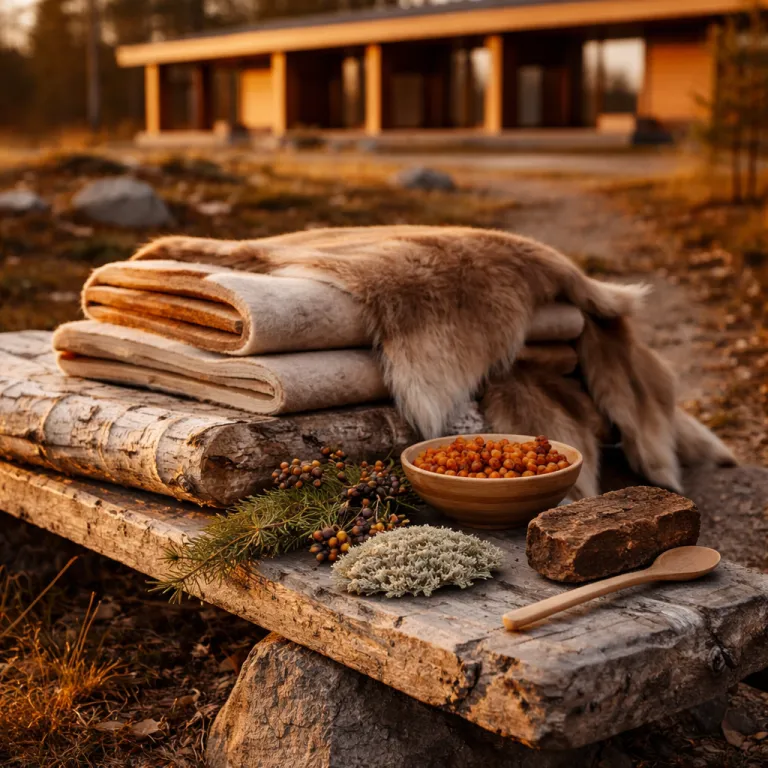
Reading the landscape: what Sami led really means in Lapland luxury
Travel in Finland’s far north often begins with a promise of culture. Many luxury nature resorts now market Sami experiences as part of the best things to do on a trip, yet the difference between Sami led and Sami themed can be the line between respect and extraction. When you plan to travel Finland for a first Sami aware itinerary, treat every claim of partnership as a starting point for questions rather than a guarantee of authenticity.
In this country the Sami are the only recognised Indigenous people of the European Union, and any serious guide to Finland should state clearly that culture here is living, political and not a costume. A resort that works with Sami owned companies will usually name them, explain who benefits economically, and describe how activities are shaped by local priorities rather than by a marketing team in Helsinki Finland. When you visit Finland for nature resorts, look for properties where Sami voices appear in the main content of their story, not as a decorative add on you could almost skip without noticing.
For luxury travellers who care about how they travel, Finland offers a rare chance to align comfort with cultural responsibility. A genuinely Sami led snowmobile or snowshoe excursion will be capped at small numbers, paced slowly, and framed as entering someone’s homeland rather than a wilderness with no history. The Sámi Parliament of Finland (Sámediggi) has repeatedly stressed that “tourism in Sápmi must be based on free, prior and informed consent”, a principle stated in its tourism guidelines and public communications, and when you read any guide Finland materials, pay attention to language about “our” reindeer or “our” stories, because Sami families are specific about herd ownership and will usually introduce individuals by name, which is a uniquely Finnish way of signalling relationship rather than spectacle.
Inari, Saariselkä, Levi: choosing a Sami aware base for your trip
Where you anchor your trip Finland shapes how easily you can engage with Sami life. Inari sits at the heart of the Sámi homeland in this state, with the Sámi Museum and Nature Centre Siida offering one of the best things for context before any reindeer visit or joik performance. Saariselkä and Levi, by contrast, are more classically ski focused places to visit, with luxury hotels that often bolt on cultural evenings to an otherwise generic Arctic programme.
For travellers who want to travel Finland with cultural depth, Inari usually offers the most direct access to Sami owned operators, from lake based nature resorts to small scale reindeer farms that limit visitor numbers. The Sámi Cultural Centre Sajos, which also houses the Sámediggi, provides exhibitions, events and practical information that can help you identify Sami led businesses before you book. Concrete examples in the Inari area include companies such as Visit Inari Oy and local reindeer herding families who run small tourism operations alongside traditional livelihoods, illustrating how ownership and decision making stay within the community. Saariselkä can still work if you treat it as a logistics hub and book Sami led activities that originate in nearby villages rather than relying on hotel arranged packages. Levi is where you need the sharpest travel tips, because high volume winter tourism can blur the line between respectful encounters and staged folklore nights designed for quick social media content.
When you compare these three, think about how you personally like to travel and what you want from Finland Finnish landscapes. Inari suits the solo explorer who is happy with slower evenings, long conversations and a Finnish sauna shared with local families rather than a resort only spa. Saariselkä and Levi can save time on transfers and offer more restaurants, yet you must actively find Sami voices rather than assuming they are woven into every itinerary, much as you would when choosing refined escapes in another region such as unique places to stay in Washington State for Finnish travellers.
Reindeer, joik and the fine line between performance and exploitation
Nothing shapes many visitors’ image of Finland travel more than reindeer and the sound of joik carried across snow. In reality, both are part of complex Sami livelihoods, and the way luxury resorts frame them during travel in Finland reveals how seriously they take cultural responsibility. An honest reindeer encounter looks quiet, slightly awkward and very practical, with talk of grazing rights, migration routes and climate stress rather than only photo angles.
On a respectful visit Finland itinerary, you will usually arrive at a working reindeer enclosure where animals are handled for real tasks, not just for sleigh rides lined up every half hour. The host will set clear rules about distance, feeding and photography, and may say no to certain shots, which is your cue to listen rather than negotiate. If you hear only rehearsed jokes in English and see reindeer waiting in harness for hours, you are in the realm of staged experiences that treat animals and culture as props for a full day of back to back groups.
Joik, the traditional Sami singing style, deserves the same care from anyone who wants to travel Finland with integrity. In a Sami led context, joik is introduced with its purpose, often linked to a person, place or herd, and sometimes not performed at all if the moment feels wrong, which can be one of the most powerful things Finland teaches about restraint. As one Inari based culture worker explained in an interview reported by regional Finnish media, “If the joik is not ready to be sung, forcing it turns it into a product, not a relationship.” When a hotel sells a “joik show” three nights a week, ask who decided the format, how performers are paid, and whether the space has been designed with Sami input, just as you would question net zero claims at a lakeside resort that promises a hidden lake experience like the one explored in Saimaa decoded.
Nature resorts, net zero claims and Sami partnerships that hold up
Luxury nature resorts across northern Finland now compete to present themselves as net zero sanctuaries with Sami partnerships. Some of these properties genuinely route economic power to Sami owned businesses, while others use a single annual event or decorative handicrafts to justify broad claims in their marketing. When you travel Finland with an eye on both climate and culture, you need to read sustainability pages as closely as you read room descriptions.
Start with ownership and governance, because who controls the resort often matters more than how many solar panels sit on the roof in summer. A property that lists Sami advisors by name, explains how decisions are made about land use, and details revenue sharing with local communities is usually doing more than surface level signalling. If the only Sami reference appears in a single paragraph of the main content, framed as a colourful add on to the spa and Finnish sauna, you are likely looking at a decorative partnership that will not withstand serious questions.
Economic partnership shows up in contracts for guiding, food sourcing and cultural programming, not just in lobby art. Ask whether reindeer meat on the menu comes from specific families, how many Sami guides work seasonally versus year round, and whether the resort supports language or education projects in this part of the country. When you plan a trip Finland through a trusted platform or specialist agent that positions itself as a guide Finland resource for discerning travellers, use curated filters much as you would use a list of fine service hospitality venues in another region such as Mykonos venues with fine service hospitality for Finnish luxury travellers, always cross checking claims with direct questions to the property.
Five questions to ask before you book, and what not to do on arrival
Before you confirm any reservation that promises Sami experiences, send one concise email with five questions. Ask who owns the company, which Sami organisations they partner with, how many Sami guides they employ, how cultural activities are designed, and how your payment supports local livelihoods beyond wages. The answers will quickly show whether this is a place to visit on your next Finland travel itinerary or one to quietly skip.
When you travel in Finland as a solo explorer, you have the freedom to adjust plans if the reality on arrival does not match the brochure. If you see guests photographing people without consent, buying souvenirs of unclear provenance or asking performers to act “more authentic”, you can choose to step back, raise concerns with management or redirect your spending to Sami led operators. Remember that eco friendly travel here is not only about low carbon transfers between Helsinki, Turku and Tampere, but also about how you behave in spaces where history and present day politics meet.
There are some clear things Finland experts agree you should avoid. Do not photograph children, private ceremonies or sacred objects without explicit permission, and do not treat joik as background music for your latest travel reel. Respect local customs, because as one official guidance from Finnish authorities notes, “Pack for varying weather.” and “Learn basic Finnish phrases.” and “Respect local customs.”, which applies as much to a remote Finnish sauna by the coast archipelago as it does to a crowded street in Helsinki Finland, reminding you that truly uniquely Finnish luxury lies in quiet attention rather than spectacle.
FAQ
Do I need a visa to visit Finland for a Sami focused trip ?
For most visitors from the Schengen area and many other regions, no visa is required for stays up to 90 days, which makes it straightforward to plan a flexible trip Finland that includes time in Inari, Saariselkä or Levi. Always check the latest travel regulations with official Finnish authorities before you book flights or non refundable luxury stays. Keeping your plans slightly open can also help you adjust if you find better Sami led places to visit once you arrive.
What is the best season to travel Finland for Sami aware nature resorts ?
Winter offers snow, northern lights and classic reindeer activities, while summer brings the midnight sun, open lakes and quieter trails. If you want more time for conversation and fewer crowds, late spring and early autumn can be the best things for a reflective visit Finland, especially for solo travellers. Whatever the season, pack layers for temperatures that can shift quickly and plan at least one rest day between long transfers across the country.
How can I find Sami led experiences rather than staged cultural shows ?
Look for operators and resorts that clearly name Sami owners, guides and partner organisations, and that explain how activities are shaped by local priorities. When you travel Finland, cross check claims with regional Sami parliaments or cultural centres such as Siida and Sajos, and favour small group experiences over large bus tours. If a programme feels like it could run the same way in any northern state on the planet, it is probably not rooted in this uniquely Finnish context.
Is English widely spoken in Sami regions of Finland ?
English is widely spoken across urban Finland, and many Sami guides in tourism also use it comfortably with guests. Learning a few Finnish phrases and basic Sami greetings is still a sign of respect and can help you build rapport during your trip. Even simple efforts to use local languages show that you see this as more than another stop on a generic travel Finland checklist.
How can I combine Helsinki, Turku or Tampere with a Sami aware Lapland itinerary ?
Many travellers start in Helsinki Finland, then add a night or two in Turku or Tampere before flying or taking the night train north. Use these cities to adjust to the Finnish rhythm, explore design, and enjoy a Finnish sauna or two before heading to nature resorts in Lapland. Planning your route this way can save time, reduce backtracking across the country and give your travel Finland journey a full narrative arc from coast archipelago to Arctic plateau.