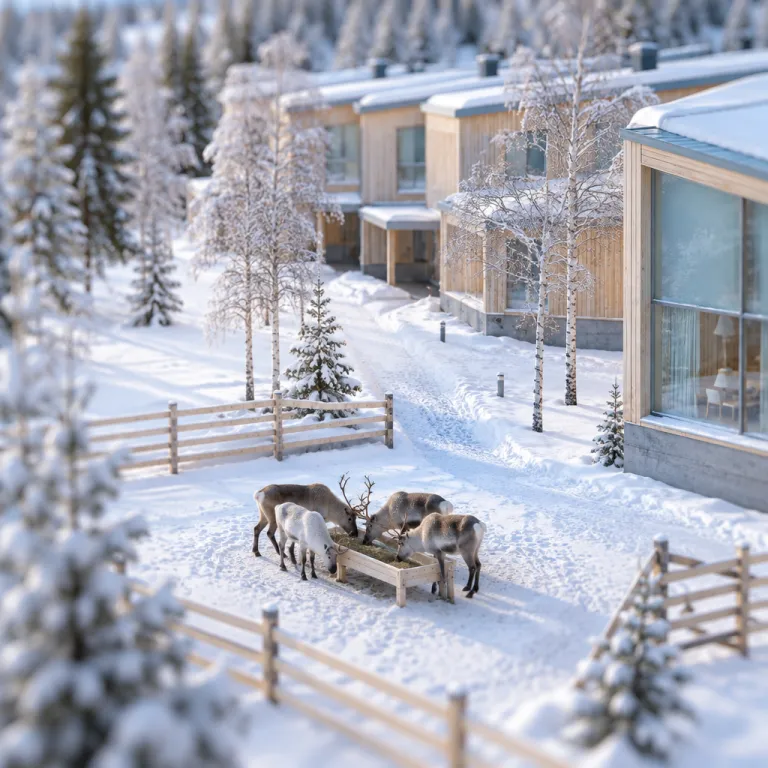
From photo stop to sami life: what a real encounter involves
Many visitors arrive in Finnish Lapland expecting instant reindeer magic. The most meaningful Sámi-led reindeer visit in Finland that responsible travel can offer feels slower, quieter and shaped by working life. A genuine cultural experience respects that reindeer herding is an economic backbone and living livelihood, not a stage set.
On a typical commercial stop, reindeer sledding lasts ten minutes, the animal is tethered beside a coach park and Sámi people are nowhere in sight. By contrast, the best reindeer experiences invite small groups into a family reindeer farm, where reindeer husbandry is explained over coffee while animals move freely between winter grazing areas. In a 2023 interview with the Finnish Reindeer Herders’ Association, one Inari herder described tourism as “a side branch of our work, not the main trunk,” a reminder that visitors are stepping into an existing system. This kind of authentic encounter lets guests understand how reindeer herding, reindeer husbandry and Sámi culture are intertwined, rather than treating each reindeer as a prop.
Responsible tourism in Lapland means asking who actually leads the experience and who benefits from it. When Sámi experiences are hosted by a Sámi family, you see how traditional knowledge sits alongside modern tools like GPS collars, snowmobiles and digital grazing maps. You also sense that animal welfare, cultural continuity and viable tourism income are all part of the same Sámi life equation. Finnish animal welfare guidelines for reindeer, for example, emphasise access to rest, adequate feed and freedom of movement, and the most careful hosts will explain how their daily routines meet those standards in practice.
How leading lodges curate sami experiences without turning them into a show
Luxury properties in Finland are finally rethinking how they present Sámi culture. Instead of stacking a menu of reindeer experiences beside husky rides and northern lights safaris, the best operators now build their winter programming around long term partnerships with local families. This shift matters because it changes reindeer from a background animal to the centre of a shared cultural experience, and it gives Sámi hosts more control over pace, content and group size.
Octola, a private wilderness retreat in Finnish Lapland, is a clear example of this newer approach. Its latest expansion, often referred to as Octola III, has been designed so that guests meet Sámi people on their own terms, usually at a working reindeer farm or in nearby grazing areas rather than in a hotel courtyard. Octola’s own materials describe their reindeer visits as “hosted by local herders in their everyday environment,” with time set aside for questions rather than fixed scripts. Time with hosts might include a slow reindeer sledding loop through forest, a firelit conversation about reindeer herding seasons and a chance to learn Sámi words for snow, wind and the animals themselves. For solo travellers and families with older children, this feels closer to visiting a neighbour than booking a show, and it pairs well with more active days such as the kind of teen friendly adventures described in guides to traveling Finland with teenagers.
At the top end of the market, the best places now cap group sizes, schedule visits around real work and pay Sámi operators directly rather than through long chains of intermediaries. This is where a Sámi reindeer experience in Finland that responsible travellers can trust usually sits, with clear briefings on what is off limits and why. Silence, pauses and the absence of constant explanation are treated as part of traditional hospitality, not as a service failure, and guests are encouraged to notice small details such as how reindeer are harnessed, how often they rest and which grazing areas are kept off limits to visitors.
Questions to ask before you book a sami reindeer experience
Choosing a Sámi reindeer experience in Finland that responsible travellers can stand behind starts long before you land in Inari or Rovaniemi. The way an operator answers your questions tells you almost as much as the programme itself. A short email exchange can reveal whether you are joining a conveyor belt of tourism or stepping into a carefully held cultural space, and whether the visit is shaped by Sámi priorities or by coach timetables.
Begin with leadership and ownership, asking who runs the experience and whether Sámi people are involved in designing and hosting it. Then move to structure, checking group size, time spent at the reindeer farm and how much of the visit focuses on reindeer husbandry, Sámi culture and everyday Sámi life rather than only on reindeer sledding photos. Finally, ask about animal welfare and grazing areas, including how often the reindeer work, how rest is built into the schedule and whether feeding is done for the camera or as part of real winter routines. A thoughtful operator might mention rotating animals between tasks, limiting sledding to a few hours per day and following national welfare recommendations on workload.
For solo visitors, it is worth asking how much time is spent in conversation and whether there is space to learn Sámi phrases or hear about traditional beliefs around the northern lights. Families should also check whether the operator is used to hosting younger guests and can balance attention between the animal experience and the cultural context, something that matters as much as choosing Finnish hotels that understand travellers under five. One Sámi guide in Utsjoki, for instance, explains in advance that children can help scatter lichen but will not be allowed to chase or hug the animals, which sets expectations kindly. The best operators will answer clearly, set boundaries gently and never promise access to ceremonies or private traditions that should remain within the community.
Heritage, extraction and the quiet signals of an authentic visit
Not every Sámi reindeer experience in Finland that responsible travellers encounter will feel comfortable. Some visits sit on the line between heritage tourism and extraction, where culture is sliced into short performances for passing coaches. Learning to read the quiet signals helps you choose better once you arrive in Lapland and adjust your plans if something feels wrong.
When an experience is shaped by Sámi people, you usually feel a sense of pace that follows reindeer and weather rather than timetables. Hosts might pause to check a snow forecast, adjust a reindeer herding task or simply let visitors sit in silence while coffee boils over an open fire. In these moments, Sámi culture appears as a living system where reindeer husbandry, language, joik singing and family stories all share the same space, instead of being separated into staged experiences. A herder might point out ear markings on a passing animal, explain how grazing areas are shared between families or quietly correct a stereotype about “wild” reindeer.
By contrast, extraction often looks like rushed reindeer sledding circuits, loud music and constant demands for photos with the animal. Traditional clothing becomes costume, not clothing chosen for warmth and meaning, and there is little space to learn Sámi words or ask about traditional views on land and grazing areas. Trust your instinct; if you feel pushed to buy, pose or perform, you are probably not in one of the best places for responsible tourism in Finnish Lapland. In that case, it is reasonable to step back, skip optional add ons and look for smaller, Sámi-owned operators whose focus is on long term relationships rather than quick sales.
Seasonality, year round realities and how hotels can support sami culture
Winter is when most visitors arrive in northern Finland, but Sámi life and reindeer herding continue year round. For herders, the coldest months are a working season of feeding, monitoring and protecting Finland’s reindeer on snow covered grazing areas. Any Sámi reindeer experience in Finland that responsible travellers join has to fit around that calendar, not override it, and should never demand that animals be brought close to hotels purely for convenience.
Luxury hotels and lodges can support this by planning fewer, longer visits that align with real tasks at the reindeer farm instead of stacking short experiences back to back. Some properties in Inari and wider Lapland now offer seasonal programmes where guests might help carry feed in midwinter, walk fence lines in spring or learn about reindeer husbandry challenges linked to climate change later in the year. In each case, Sámi experiences are framed as windows into ongoing work, not as isolated tourism products, and animal welfare is treated as a non negotiable baseline. Finnish research on climate impacts, for example, has documented more frequent ice layers on snow that make natural grazing harder, a change many herders now discuss openly with visitors.
For travellers, this means accepting that northern lights sightings are never guaranteed, that reindeer may be far from the lodge on certain days and that some traditions are not for visitors at all. The reward is a deeper cultural experience where Sámi reindeer, Sámi culture and modern Finnish Lapland hospitality sit together with integrity. Over time, this approach helps ensure that tourism income strengthens language learning, land rights and community priorities rather than pulling energy away from them, and that guests leave with a clearer sense of how their choices affect everyday life in the north.
FAQ
How can I tell if a sami reindeer visit is respectful ?
Look for small groups, clear involvement of Sámi people in hosting and honest information about what you will see. Respectful visits prioritise reindeer welfare, avoid handling animals purely for photos and explain how tourism income supports the family or community. A good sign is when your host sets limits at the start, such as asking guests not to enter certain buildings or grazing areas, and briefly explains why those spaces are private.
Is reindeer sledding always harmful for the animals ?
Short, carefully managed reindeer sledding can be compatible with good animal welfare when workloads are limited and rest days are built in. Problems arise when animals pull heavy sleds for many hours without breaks or are kept in cramped pens between rides. Some Sámi herders describe using heart rate and body condition as informal checks, alongside national welfare rules, to decide when an animal needs a lighter schedule. Asking about working hours, herd rotation and feeding routines helps you choose more responsible options.
Can I visit sami communities outside the winter season ?
Yes, many Sámi hosts welcome visitors in autumn, spring and early summer, often with more time for conversation. Off season visits may focus less on snow activities and more on crafts, food traditions and language, which can deepen your understanding of Sámi culture. A summer afternoon spent learning how to carve a simple wooden cup or listening to stories about migration routes can be as memorable as a winter sled ride. Always book in advance and respect that some periods, such as calving, are particularly sensitive for herders.
What should I avoid doing during a sami cultural experience ?
Avoid entering private spaces, photographing people or ceremonies without permission and treating traditional clothing as costume. Do not walk into reindeer grazing areas or touch animals without being invited to do so by your host. If you are unsure about anything, ask quietly; most hosts appreciate curiosity that comes with respect, and a brief question at the start often prevents awkward moments later in the visit.
Are luxury hotels in Lapland a good base for authentic sami encounters ?
Many high end properties now work closely with local Sámi operators, which can make them strong bases for responsible experiences. The key is to ask how partnerships are structured and whether Sámi families are paid directly and involved in decision making. A luxury setting does not guarantee authenticity, but it can provide time, comfort and logistics that support deeper engagement when the relationships behind the scenes are sound. Some lodges now publish short profiles of their partner herders or guides, which can help you see who actually shapes the experiences you book.