Winter as the ultimate test of finnish hotel design
In Finland, a hotel only proves itself when the light disappears. The properties that understand finnish hotel design winter architecture treat darkness as a design material, shaping it with timber, fire and carefully layered textiles so that long nights feel like a privilege rather than a trial. For a business leisure guest landing in Helsinki after a long day of meetings, the right design architecture can turn eighteen hours of night into a deeply restorative pause between flights and deadlines.
Across the country, from the capital city to smaller places such as Forssa, architects use warm wood, matte surfaces and low sightlines to create intimacy. This is where the legacy of Alvar Aalto and other masters of modern architecture becomes practical rather than academic, because the same curves and human scaled proportions that define classic Aalto works now guide how a lobby, restaurant or sauna wing holds you in winter. When you read a floor plan for a new luxury hotel in Finland, you can often trace a direct line back to Aalto architecture experiments in light, shadow and circulation.
For design attuned travelers, the question is not whether a finnish hotel looks good in summer. The real test is how its architecture behaves on a sleety November day when the sky never quite brightens, and whether the main building can make that region day feel calm instead of oppressive. myfinlandstay.com focuses on finnish hotel design winter architecture because this is when life inside the walls matters most, and when a property’s art design, visual arts curation and spatial rhythm either succeed or fail.
From aalto to the arctic: heritage that shapes winter comfort
Finnish winter hospitality is inseparable from the country’s design heritage. Alvar Aalto did not design hotels for Instagram, he designed Alvar spaces for real life in a northern climate where a short day and long night shape every decision about windows, corridors and communal rooms. When you walk into a contemporary lobby in Helsinki or a lakeside retreat in central Finland, you often feel echoes of Aalto museum sketches, Villa Mairea details and the tactile experiments of the Muuratsalo Experimental House.
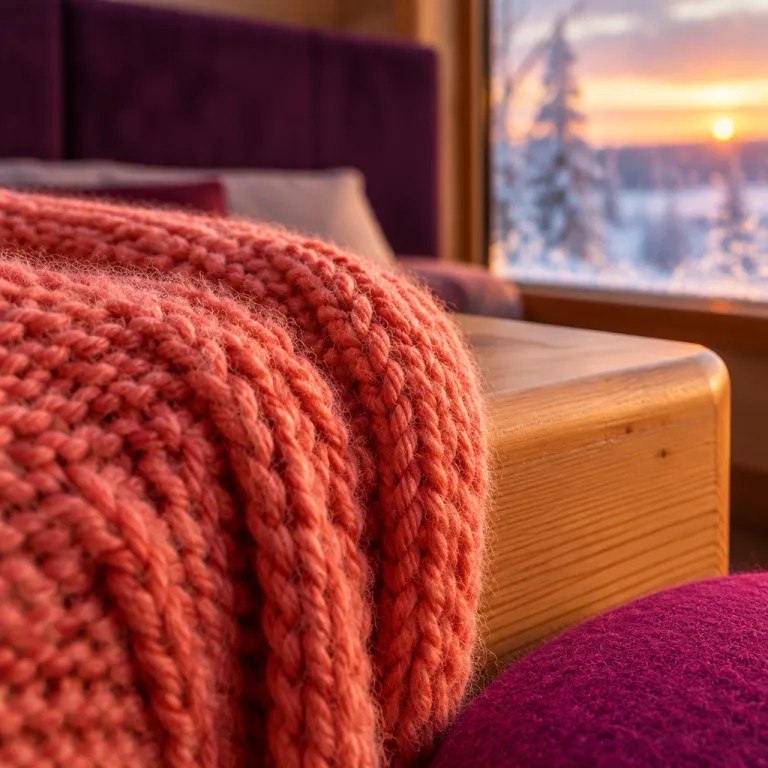
In properties that take finnish hotel design winter architecture seriously, you see this lineage in the way light is handled. Large panes of Finnish glass frame the blue hour, while deep window seats and wool throws invite guests to sit and read rather than rush out into the city, and the glow from a fireplace becomes a form of visual arts installation that changes subtly across days and seasons. Even when a hotel is not literally designed Alvar, its architects often reference Aalto architecture principles, such as gently curved ceilings, human scaled town hall style gathering spaces and the soft diffusion of artificial light.
For travelers who care about art and architecture, this means a stay can double as an informal guided tour through Finnish design history. You might spend a region day visiting the Aalto museum in Jyväskylä, Villa Mairea or the Säynätsalo Town Hall, then return to a hotel where the restaurant lighting and lobby furniture quietly extend the same conversation about modern architecture and art nouveau influences. As one Helsinki based interior architect notes, “If a guest can recognise an Aalto inspired curve in a chair or a pool of warm light in a corridor, they immediately feel part of a longer story about how Finns live with winter.” The best properties in Finland curate art design and Finnish glass pieces with the same care they apply to day breakfast menus, so that every surface, object and plate reinforces a coherent design architecture story.
Architectural stillness: remote winter retreats built for darkness
Some of the most interesting finnish hotel design winter architecture now happens far from any city. New builds in Lapland and the lake districts are designed explicitly for isolation, using architecture to choreograph silence, darkness and the slow rhythm of winter days. High elevation retreats on former radar station sites in Finnish Lapland, for example, are engineered so that wilderness stillness and long polar nights become the main amenities rather than background conditions.
In these remote hotels, the main building often acts as a warm spine from which more experimental house like suites extend into the landscape. Architects borrow from the logic of the Muuratsalo Experimental House and other Aalto works, using courtyards, sheltered decks and carefully angled roofs to protect guests from wind while still exposing them to the aurora and the deep blue of the polar day. Inside, design architecture choices such as thick timber walls, layered textiles and intimate restaurant layouts ensure that even on the coldest days, life feels cocooned rather than confined.
For a business traveler extending a Helsinki work trip into a long weekend, this kind of property offers a different form of luxury. Instead of rushing between a museum, a shop and a crowded restaurant in the city, you might spend days moving slowly between sauna, snow and a quiet lounge where you can read, buy a piece of Finnish glass or simply watch the sky change. myfinlandstay.com evaluates these retreats on how well their finnish hotel design winter architecture supports both privacy and connection, from guided tours of the surrounding region day landscapes to thoughtful day breakfast service that respects the unhurried pace of winter life.
How to judge a finnish winter hotel as a design led traveler
When you book through a premium platform such as myfinlandstay.com, the goal is not just to find a good hotel in Finland. The aim is to choose a property whose finnish hotel design winter architecture has been considered at every scale, from the angle of a reading lamp to the way corridors bend to reveal art design pieces or framed views of snow covered trees. For a business leisure guest, these details determine whether late arrivals, early departures and compressed days feel effortless or draining.
Start with light and layout, because these are where Aalto architecture lessons translate most directly into comfort. Look for rooms where artificial light is layered rather than harsh, where you can read comfortably at any hour, and where the transition from bed to desk to lounge chair feels as natural as moving through a thoughtfully planned town hall or museum. Pay attention to how public spaces handle sound and sightlines, since the best Finnish hotels use modern architecture principles to create both quiet corners and convivial restaurant zones that work equally well on a bright summer day or a dark winter afternoon.
Then consider how the property connects you to Finnish culture without turning your stay into a checklist of attractions. A strong program of guided tours, collaborations with local visual arts institutions and menus that reference regional life can make even a short stay feel grounded, while a small shop featuring Finnish glass, books to read about Alvar Aalto and objects inspired by Villa Mairea or Säynätsalo Town Hall extends that experience. For a deeper look at how Finland’s evolving luxury booking pipeline elevates art, culture and premium stays, explore the analysis on how Finland’s evolving luxury booking pipeline elevates art, culture and premium stays, then use those insights to refine your next winter reservation.
FAQ
Why is winter the best season to assess finnish hotel design?
Winter exposes every strength and weakness in finnish hotel design winter architecture. With long nights and short days, lighting, materials and spatial planning either create warmth and calm or amplify fatigue, so you see very quickly whether a property has been designed for real life in Finland or only for summer marketing images.
What should I look for in room design during the polar night?
Focus on layered lighting, generous use of wood and textiles, and a layout that supports both work and rest without feeling cramped. A well considered desk, a comfortable reading chair and views that frame the sky or city lights will make long dark hours feel restorative rather than restrictive.
How does Finnish design heritage show up in contemporary hotels?
Many properties reference Alvar Aalto and other modern architecture pioneers through curved forms, human scaled spaces and careful handling of natural and artificial light. You may notice furniture, glassware and art design elements that echo classic pieces, creating a subtle link between your stay and the broader story of Finnish visual arts.
Are remote winter retreats in Finland suitable for business leisure travelers?
Yes, provided you choose hotels that balance isolation with strong service and reliable connectivity. Remote properties built around finnish hotel design winter architecture can offer deep rest after meetings in Helsinki, with saunas, quiet lounges and curated guided tours that fit easily into a long weekend extension.
How can I tell if a hotel handles darkness well before I book?
Study photos taken in winter, read guest reviews that mention lighting and atmosphere, and look for explicit references to seasonal design in the property description. Platforms that specialize in Finland and design led stays, such as myfinlandstay.com, often highlight how a hotel’s architecture performs during the darkest months.