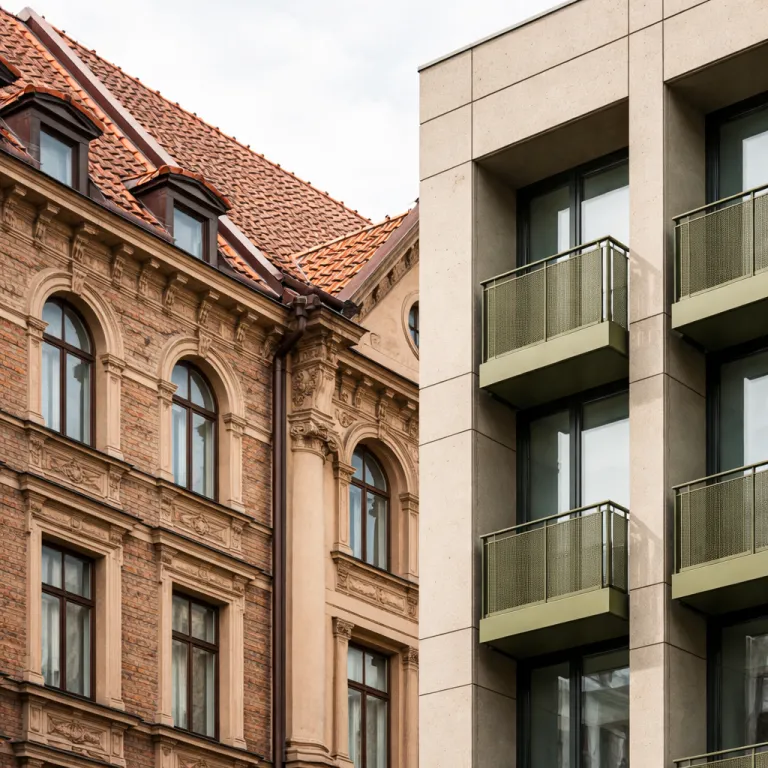
Heritage facades, global flags: how Helsinki sells luxury character
Luxury hotels in Finland are increasingly wearing borrowed clothes. In central Helsinki, the most ambitious new hotel projects now occupy historic façades while their interiors follow international brand playbooks, reshaping how both business and leisure guests read the city. For a traveller comparing luxury hotels in Finland, the choice once lay between a discreet grand hotel and a lakeside resort; today it is more often between which heritage shell hosts which global flag.
The pattern is clearest around the new Waldorf Astoria Helsinki, the NH Collection Grand Hansa and the refurbished Hotel Kämp, each positioned as a five-star hotel in a carefully restored building. Developers such as Skanska, working with architects like Arco and interior specialists such as Fyra, have mastered adaptive reuse, and the Finnish Heritage Agency has become a quiet co-author of the city’s hospitality story. Officially, “adaptive reuse of historic buildings”, “rise in luxury tourism” and “sustainable hotel development” are the guiding principles, and those phrases now appear in almost every press release about hotels in the capital.
For guests, this means that a Helsinki hotel stay now often begins with a heritage narrative and ends in a brand-standard room. The lobby might reference Finnish national romanticism while the rooms follow a familiar international template, which is comfortable but rarely surprising. The risk is that high-end accommodation across Finland starts to feel interchangeable, even as these properties trade heavily on the uniqueness of their addresses and façades.
Key takeaways for luxury travellers
- Most new five-star hotels in Helsinki now occupy protected historic buildings with restored façades.
- International brands bring loyalty programmes and consistent service but can create similar-feeling interiors.
- Finnish-led properties lean more into local design, sauna culture and food traditions.
- Heritage hotels in the capital increasingly act as gateways to wilderness lodges and arctic resorts in Lapland.
The Waldorf Astoria and Grand Hansa: prestige brands in student and social clubs
The Waldorf Astoria Helsinki will occupy the former Lagerspetz and Siitonen buildings, long part of the city’s commercial and social fabric. Here, Skanska and Ylva are turning offices and club spaces into a luxury resort-style city hotel, with large rooms, a spa and high-end restaurants, all a short walk from Esplanadi. The objective is clear: preserve the exterior character while creating accommodation that can compete with the best hotels in Northern Europe.
Just across the centre, the NH Collection Grand Hansa merges the historic Seurahuone hotel and the former Student House into one large Helsinki hotel. Skanska has publicly described the scheme as a major long-term investment in the city’s hospitality infrastructure, a signal of how seriously international brands now take luxury demand in Finland. For business travellers extending a stay into leisure, Grand Hansa promises a full-service spa hotel experience with generous rooms, a central location and the kind of meeting spaces global corporate clients expect.
Both properties illustrate how Helsinki’s commercial real estate market now treats heritage as a premium amenity. The buildings themselves become the marketing hook for upscale hotels in Finland, while the interiors are optimised for RevPAR, loyalty programmes and predictable guest flows. For myfinlandstay.com readers comparing premium hotel booking experiences in Finland, the Grand Hansa sits alongside other curated properties discussed in our analysis of how luxury and premium hotel booking is being redefined in Finland.
Hotel Kämp and Hotel St. George: two answers to the same heritage question
Hotel Kämp, Helsinki’s grande dame, is completing a careful refurbishment that keeps its façade and public rooms as the city’s living room. The renovation adds only a limited number of new rooms but upgrades every room category, positioning Kämp as a reference point for five-star hotel service in Finland. Guests still enjoy a view-hotel experience over Esplanadi, but the bathrooms, beds and technology now match the expectations of the most demanding executive traveller.
Hotel St. George, by contrast, represents a different answer to the heritage puzzle. Also housed in a historic building, it is a Finnish-led, design-driven hotel that resists the pull of a global flag, and its rooms feel more like a curated apartment than a standardised resort suite. The spa hotel concept here leans into Finnish wellness culture, with a compact spa, thoughtful sauna rituals and a quiet emphasis on art and literature rather than spectacle.
Between Kämp and St. George, you see the two main paths luxury accommodation in Finland can take. One path is to align with an international template that guarantees service standards and loyalty traffic, while the other is to build a distinct Finnish identity around design, art and understated hospitality. For guests choosing a Helsinki hotel, the question becomes whether they value the security of a known brand or the character of a property that feels rooted in local culture.
Adaptive reuse, sustainability and the price of homogenised interiors
Behind the marketing language, adaptive reuse is a serious architectural and environmental choice. The Finnish Heritage Agency works closely with developers to ensure that façades, staircases and key interiors survive, while Skanska and Arco apply sustainable building practices to reduce demolition waste and energy use. As one official explanation puts it, “adaptive reuse of historic buildings means repurposing old buildings for new uses while preserving their features,” a definition that now underpins many central Helsinki hotel projects.
From a sustainability perspective, this is hard to argue with, especially in a compact city centre where new-build plots are scarce. Converting existing structures into luxury hotels in Finland reduces the embodied carbon of construction and keeps the urban fabric intact, which matters in a capital that wants to balance tourism growth with liveability. For guests, staying in such a hotel can feel like a responsible choice, particularly when the resort-style amenities include energy-efficient systems and careful waste management.
The tension lies inside the rooms, where global brand standards often override local nuance. A traveller who has stayed in a Waldorf Astoria in Asia or the Middle East will recognise the palette, the bathroom layout and the minibar selection, even as the marketing speaks of Finnish nature and Nordic light. This is where high-end hotels in Finland risk becoming branded boxes, with heritage façades acting as theatrical backdrops rather than genuine cultural experiences.
What international flags bring that Finnish independents struggle to match
There is a strong counter-argument in favour of these international brands. Global chains bring training systems, revenue management tools and loyalty programmes that many Finnish independent hotels cannot easily replicate, especially in a market where seasonality and limited air connectivity challenge occupancy. For business-leisure travellers, the promise of consistent service, late check-out and free upgrades through loyalty tiers is a powerful reason to choose a branded Helsinki hotel.
International flags also raise the bar for spa facilities, concierge services and in-room technology. Guests now expect fast and genuinely free Wi-Fi, seamless mobile check-in and a choice of pillow types as standard in any star hotel, whether in Helsinki or Lapland, Finland. When these expectations are met, travellers are more willing to extend a stay, book higher room categories and use on-site restaurants rather than leaving the hotel for every meal.
For the city, the presence of Waldorf Astoria, NH Collection and other brands signals that Helsinki is now firmly on the map of luxury hotels in Finland. This attracts higher-spending visitors who might also travel onwards to Finnish Lapland, stay in an arctic resort or visit a national park near Lake Saimaa, creating a broader halo effect for the country’s hospitality sector. The challenge is to ensure that this influx of capital and expertise does not flatten the very Finnish character that makes the destination distinctive.
What still feels genuinely Finnish inside Helsinki’s new luxury addresses
For all the talk of homogenisation, there are still deeply Finnish elements embedded in these hotels. Sauna culture is the most obvious, with almost every luxury hotel in Finland now offering either a private sauna in selected rooms or a well-designed spa area. In properties like Hotel Kämp and Hotel St. George, the spa experience is built around quiet heat, cold plunge pools and unhurried rituals rather than flashy treatments.
Design is another anchor of authenticity. Even when a global brand sets the overall palette, Finnish designers like Fyra weave in local materials, art and furniture, from birch and granite to contemporary ceramics and textiles. In the best hotels, corridors and rooms become a discreet gallery of Finnish creativity, and guests enjoy a stay that feels connected to the city’s design heritage rather than a generic resort aesthetic.
Food culture also carries a strong sense of place. Menus highlight lake fish, wild herbs and berries from Finnish Lapland, while breakfast buffets quietly educate guests about rye breads, local cheeses and seasonal porridge traditions. When luxury hotels in Finland take this seriously, the restaurant becomes more than a convenient dining room; it turns into a lens on Finnish nature, from the Arctic Circle to Lake Saimaa and the forests around each national park.
Heritage hotels as gateways to wider Finnish journeys
For myfinlandstay.com readers, Helsinki’s heritage hotels are rarely the whole trip. Many executives land in the capital for meetings, stay at a central Helsinki hotel such as Hotel Kämp or Hotel Haven, then continue north to Lapland, Finland for a long weekend in the wilderness. In this pattern, the city hotel acts as a soft landing before a more immersive stay in a private wilderness lodge or an arctic resort.
Properties like Javri Lodge, Kakslauttanen Arctic Resort, Arctic TreeHouse Hotel and Octola Finnish wilderness retreat offer a very different expression of luxury stays in Finland. Here, the rooms might be glass-roofed cabins or treehouse hotel suites, the main spa is often a lakeside sauna, and the key amenity is a clear view of the northern lights rather than a marble lobby. Free parking, direct access to nature and a sense of space replace the urban density of Helsinki, and guests enjoy a stay that feels both remote and carefully serviced.
Our coverage of superior rooms that blend comfort and style for discerning travellers in other destinations shows how this balance between city base and nature escape is becoming a global pattern. For Finland, the key is to ensure that luxury hotels in Helsinki complement, rather than compete with, the more wilderness-focused accommodation in Lapland and around Lake Saimaa. When the city’s heritage hotels act as gateways to these experiences, the overall narrative of luxury travel in Finland becomes richer and more coherent.
Which property will define Helsinki luxury in five years?
Looking ahead, not every new opening will shape the city’s reputation equally. Among the current wave, Hotel Kämp is best positioned to remain the reference point for luxury hotels in Finland, precisely because it balances heritage gravitas with measured modernisation. Its rooms now meet contemporary expectations while its public spaces continue to host the city’s cultural and business life, which no new brand can instantly replicate.
The Waldorf Astoria Helsinki will likely become the default choice for many international luxury travellers. Its global loyalty base, resort-style amenities and strong marketing engine will draw guests who might otherwise have stayed in independent hotels, especially those who value predictable service over local experimentation. For these travellers, the question is less about heritage and more about whether the hotel delivers the best combination of room quality, spa facilities and central location.
The NH Collection Grand Hansa may face the toughest task in carving out a distinct identity. Its merged building, combining the former Student House and Seurahuone, has a fascinating story, but the brand itself sits in a slightly more functional space of the market. To stand out among luxury hotels in Finland, Grand Hansa will need to lean harder into its Finnish roots, perhaps through partnerships with local artists, chefs and wellness practitioners that go beyond standard brand guidelines.
How myfinlandstay.com will read the next wave of openings
For our readers, the core question is not whether a hotel carries an international flag, but whether it offers a stay that feels both efficient and meaningful. On myfinlandstay.com we evaluate each Helsinki hotel on its rooms, service, spa, food and sense of place, and we are transparent about where a property feels like a branded box behind a heritage façade. Our editorial independence means no sponsored content; we report what we experience, whether in a city star hotel or a remote arctic resort.
We also look at how each property fits into a wider travel pattern. An executive might combine a few nights at Hotel Kämp or Hotel Haven with a long weekend at Javri Lodge or Kakslauttanen Arctic Resort, or pair a design-focused stay at Hotel St. George with a silent retreat near a national park by Lake Saimaa. In this context, luxury hotels in Finland are not isolated choices but components of a broader itinerary that might also include international destinations such as the fine-service hospitality venues we analyse in our guide to Mykonos venues for Finnish luxury travellers.
The city’s current hotel boom is therefore less about raw room numbers and more about narrative. If Helsinki continues to prioritise heritage buildings while allowing interiors to drift toward global sameness, it risks becoming a stage set for brands rather than a living hospitality culture. If, instead, it uses these investments to express a confident Finnish identity in every room, lobby and spa, then luxury hotels in Finland will offer something no other capital can quite copy.
Key figures behind Helsinki’s heritage luxury shift
- The conversion of heritage buildings into luxury hotels in central Helsinki has already added a significant number of new high-end rooms through projects such as The Hotel Maria, signalling a rapid upscale capacity increase in a compact market.
- Skanska’s public communications around the Grand Hansa project underline how commercial real estate now values heritage hotel conversions as long-term assets rather than niche experiments in the Finnish capital.
- The current development timeline, with The Hotel Maria opening first, Grand Hansa following and Hotel Kämp’s renovation completing after, shows a continuous multi-year period of high-end hotel activity rather than isolated one-off projects.
- City centre coordinates around 60.1695° N and 24.9354° E mark a dense cluster of heritage properties now in hospitality use, concentrating much of Helsinki’s new luxury supply within easy walking distance for business and leisure travellers.
- Project documentation commonly lists “preserve historical architecture”, “introduce modern luxury accommodations” and “enhance Helsinki’s hospitality offerings” as explicit objectives, confirming that heritage and high-end positioning are structurally linked in the city’s hotel strategy.