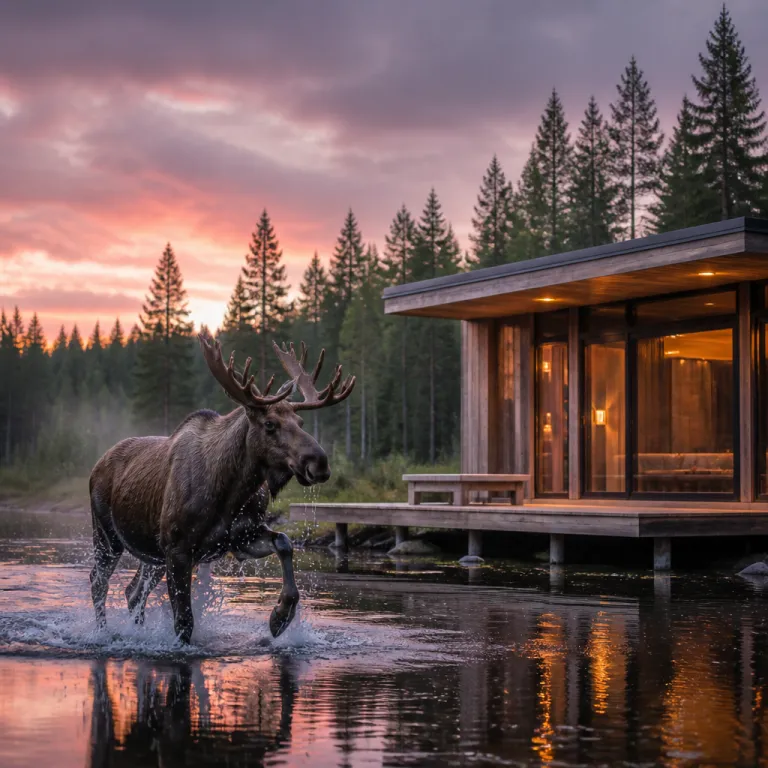
Taiga luxury in Finland: where premium stays meet wild neighbours
Finland’s northern belt of taiga offers a rare blend of refined hospitality and raw wilderness. In these coniferous forest regions, luxury and premium hotel booking is increasingly shaped by travellers who want to understand the wildlife of the boreal forest while still sleeping in high thread count comfort. For Finnish guests, the appeal lies in staying close to the earth yet wrapped in quiet elegance.
The Finnish taiga forms part of the wider boreal forest that stretches across the northern hemisphere, and its climate defines everything that lives here. Long winter months bring deep snow, low temperatures and a blue grey light that frames every image you capture from your suite or lakeside villa. During taiga summer, the same areas glow under a softer climate, and the forest feels almost weightless as animals move through endless green and taiga plants burst into leaf.
For high end nature resorts, the challenge is to curate experiences that respect the science of this ecosystem while still feeling indulgent. Guests want to see taiga animals such as reindeer, moose, mountain hare and elusive birds without disturbing how these species survive in such cold conditions. The most successful properties in Finland now design their service style, architecture and activity programmes around the rhythms of the forest and the needs of the wildlife that live there year round.
Designing nature resorts around animals that live in taiga
Premium nature resorts in Finland’s taiga areas increasingly start with one question: how do animals survive here year round? Architects and hoteliers study how taiga plants, ponds in the taiga and the coniferous forest structure support the animals of the region, then position cabins and suites to minimise disturbance. This science led planning protects both the guest experience and the wildlife that live in the surrounding forest.
In practice, that means placing glass fronted suites along natural clearings where taiga animals already live and travel, rather than cutting new paths through the forest. Elevated walkways keep human activity above sensitive plants in the taiga and away from ponds in the taiga that attract migratory birds and other species at dawn and dusk. At lakes such as Saimaa, high end operators pair this low impact design with curated stays, and you can see how this works in detail through a guide to where to stay on Lake Saimaa in full service retreats.
Interior design also reflects the taiga coniferous landscape, with natural wood, muted earth tones and textiles that echo winter snow and taiga summer light. Floor to ceiling windows frame the forest as a living image, allowing guests to watch animals and birds of the taiga without stepping outside during the coldest temperatures. This approach turns every suite into a quiet observatory where the forest, the climate and the animals become the main attraction.
Seasonal wildlife experiences for luxury guests in Finland
Seasonality defines both Finnish hospitality and the behaviour of animals that live in taiga. During winter months, premium lodges in Lapland and eastern Finland focus on the drama of snow, cold air and the thick coats that help taiga animals endure subzero temperatures. Guided night safaris by heated sleigh or silent snowshoe walks allow guests to see how animals survive without crowding them.
In deep winter, the mountain hare is a particular highlight, its white fur a textbook example of seasonal camouflage that helps it live in the taiga forest. Guides explain that “How do animals survive taiga winters? Through hibernation, migration, and adaptations.”, then point out tracks of reindeer, moose, pine marten or Eurasian lynx crossing the frozen ponds in the taiga. These experiences are carefully timed so that animals and birds can continue their routines with minimal disruption.
As taiga summer arrives, the same resorts pivot towards softer experiences built around migratory birds, active reindeer and moose herds and the explosion of taiga plants. Guests might kayak across mirror calm lakes at midnight, watching animals that live in taiga come to drink at the forest edge while the sky never fully darkens. For context on how international demand is reshaping these offerings, many Finnish hoteliers now analyse the coolcation effect on Finnish hotels and adapt their wildlife programmes accordingly.
Flagship Finnish taiga species and what luxury guests actually see
When Finnish travellers book a premium stay in the taiga, they often arrive with a mental image shaped by documentaries and school science lessons. They expect to see iconic taiga animals, from moose and wolverine to Siberian predators that, in reality, do not live naturally in Finland’s forests. Responsible resorts therefore clarify which species genuinely inhabit local areas and which belong to other parts of the boreal forest across the earth.
In Finland, the moose is the largest animal in the taiga, and many nature resorts quietly orient their wildlife hides along known routes used by both reindeer and moose. Guests may also encounter red fox, lynx and pine marten, all of which have adapted to live in the taiga coniferous landscape with remarkable agility. The mountain hare, highlighted in the dataset as changing fur colour seasonally, is a classic example of how animals survive by aligning their style of camouflage with winter snow and taiga summer ground cover.
Some guests ask about polar bears or the famous Siberian tiger, both of which are taiga animals in other countries but not part of Finland’s native fauna. Expert guides use these questions to explain how different climate bands, forest structures and coastal areas shape which animals can thrive where. This honest framing strengthens trust, because guests understand that the resort will never stage or exaggerate sightings just to sell a premium wildlife package.
How extreme climate shapes both wildlife and high end stays
The same climate that challenges animals that live in taiga also defines the operational reality of luxury and premium hotels in Finland. Long winter months bring low temperatures, heavy snow and limited daylight, which influence everything from transfer logistics to spa opening hours. Resorts that succeed in these conditions design their services around the way animals survive and the way guests want to live during a short, intense stay.
From a science perspective, the boreal forest acts as a vast carbon store, and its coniferous forest canopy shelters both taiga plants and animals and birds from the harshest winds. For hoteliers, this structure offers natural windbreaks for cabins and outdoor lounges, allowing guests to sit outside under thick coats and blankets while watching wildlife move between trees. Lighting design is also critical, with warm, low level fixtures that respect the night habits of animals yet still create a refined visual style for human comfort.
During taiga summer, rising temperatures and softer light extend the active hours for both guests and animals that live in taiga. Premium properties schedule early morning and late evening excursions to ponds in the taiga, where migratory birds feed and mammals come to drink, then reserve the brightest hours for spa treatments and slow meals. For business travellers who want to blend meetings with these nature led experiences, curated guides to Helsinki hotels where work and life blend increasingly highlight easy connections to taiga regions.
Ethical wildlife tourism and booking choices for Finnish travellers
Ethics sit at the heart of any luxury experience built around animals that live in taiga. Finnish guests are highly informed about climate change, conservation and the pressures that human encroachment places on the boreal forest, so they expect hotels to operate with clear principles. When choosing where to live during a taiga break, they look for booking platforms and resorts that align with these values.
Responsible operators avoid any activity that forces taiga animals into unnatural behaviour, such as baiting predators or crowding nesting areas of migratory birds. Instead, they invest in trained guides who understand how animals survive in this climate, from the mountain hare and reindeer and moose to less visible species that live in the deeper forest. These guides explain why some ponds in the taiga are off limits at certain times, or why viewing distances increase during sensitive breeding periods.
For travellers using a luxury and premium hotel booking website in Finland, key signals of trust include transparent wildlife policies, small group sizes and clear references to science based guidelines. Platforms that highlight the real taiga animals, the plants of the taiga that support them and the seasonal limits on access help guests make informed choices. Over time, this careful balance between refined hospitality and respect for the earth ensures that both the forest and the high end travel sector can thrive year round.
Key figures and science insights on taiga wildlife
- Canada’s boreal forest, which forms part of the same taiga belt as Finland, hosts around 85 mammal species according to Natural Resources Canada, illustrating how rich these cold forest areas can be in animals.
- The same Canadian boreal forest supports approximately 130 fish species as reported by Natural Resources Canada, showing that ponds in the taiga and connected lakes are vital habitats, not just scenic backdrops for resorts.
- Scientists estimate about 32 000 insect species in Canada’s boreal forest based on data from Natural Resources Canada, underlining how taiga plants and soil communities sustain far more life than the large animals that guests usually notice.
- Seasonal adaptations in taiga regions typically follow a pattern where winter brings thick coats, hibernation or migration, while summer focuses on feeding and reproduction, and this cycle shapes when luxury resorts can responsibly schedule wildlife viewing.
FAQ about Finnish taiga wildlife and luxury nature resorts
What is the largest animal in the Finnish taiga that guests may see ?
The moose is the largest animal in the taiga, and in Finland many premium nature resorts position discreet viewing points along known routes used by both reindeer and moose so guests can watch these animals without disturbance.
How do animals that live in taiga survive the harsh Finnish winter ?
Animals survive the winter months through a mix of hibernation, migration and physical adaptations such as thick coats, fat reserves and behavioural changes, and guides in high end resorts explain these strategies during carefully planned excursions.
Are there reptiles in Finland’s taiga regions near luxury resorts ?
There are very few reptiles in the taiga because the cold climate and long periods of snow limit their ability to regulate body temperatures, so guests are far more likely to encounter mammals, birds and insects during their stay.
Can I see polar bears or Siberian tigers from Finnish nature resorts ?
Polar bears and the Siberian tiger are associated with other parts of the global taiga and Arctic, not with Finland’s boreal forest, so ethical Finnish resorts make clear that these animals do not live in local areas and focus instead on native species.
What should I consider when booking a luxury taiga resort in Finland ?
Look for properties that limit group sizes, follow science based wildlife guidelines, protect ponds in the taiga and taiga plants, and communicate transparently about which animals you might realistically see during different seasons.