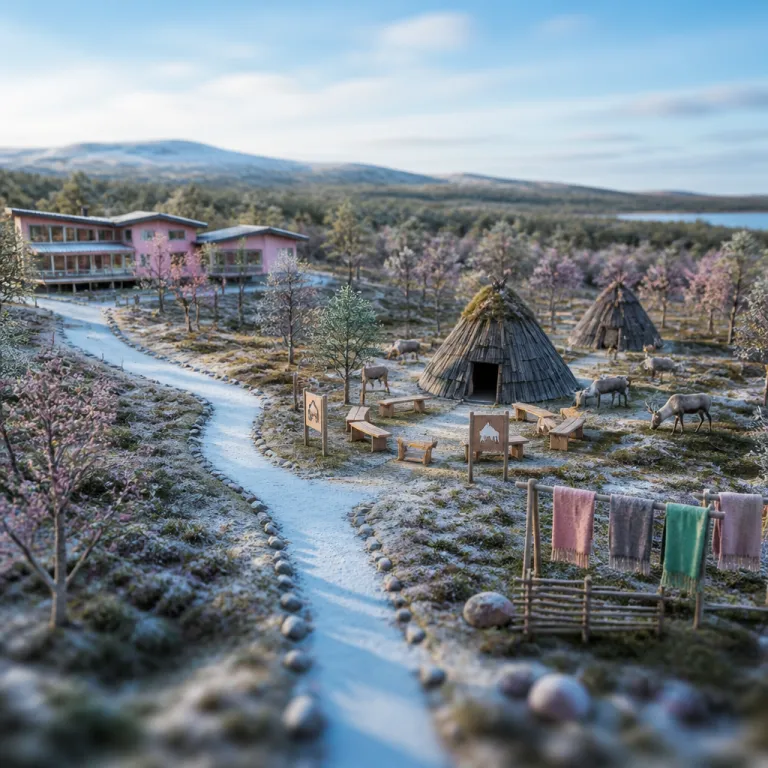
Understanding who the Sami people are as a family
Families planning a Lapland retreat in Finland step into the homeland of the Sami people, Europe’s only recognised indigenous people. This indigenous culture stretches across the northern regions of Norway, Sweden, Finland and Russia, forming Sápmi as a cultural landscape rather than a border controlled state. When you frame your sami culture finland family journey this way, children start to see that indigenous peoples are neighbours in the Nordic countries, not characters in a winter fairy tale.
Explain clearly that the Sami people are one of several ethnic groups in the region, but they are the only group recognised as indigenous people in this northern area. You can share the verified description that “Who are the Sami people? Indigenous people of northern Europe.” and use it as a starting point to talk about how indigenous peoples worldwide protect their rights, languages and land. This helps young travellers understand that sami culture in Finland, Norway and Sweden is living and political, not just a colourful backdrop for northern lights photos.
Children often ask why Sami languages sound different from Finnish or Swedish, and this curiosity is a gift. Tell them there are several Sami languages, and that linguists usually count nine distinct Sami languages across the nordic countries, including Skolt Sami and Sea Sami traditions. You can compare how the Finnish language and the Swedish language sit alongside Sami language varieties in northern municipalities, and how multilingual signs signal respect for cultural rights.
Before you visit Lapland, map Sápmi together on a globe and trace how it crosses Norway, Sweden, Finland and into Russia as one northern cultural region. Point out that the Sami parliament institutions in Norway, Sweden and Finland work to protect Sami rights, from language education to reindeer herding policies. When children see that a Sami parliament exists in several countries, they better grasp that indigenous people organise politically just like any other people, even while maintaining traditional Sami practices.
What your children will notice first in Lapland’s luxury hotels
In many premium Lapland hotels, children first notice the Sami flag, bright gákti clothing and the quiet presence of reindeer outside the lobby. These visual cues can feel theatrical if you have not prepared them, so talk in advance about how traditional Sami dress and duodji handicrafts express identity rather than costume. When a sami culture finland family stay includes this context, a lobby display of Sami reindeer antlers or woven belts becomes a cultural conversation, not a themed prop.
Explain that the Sami flag they will see flying beside Finnish and Swedish flags represents all Sami people across Norway, Sweden, Finland and Russia. The colours echo the northern lights and the sun and moon, linking nature, reindeer herding and spiritual traditions in one symbol. When children understand that flags represent rights and self respect, they are less likely to treat the Sami flag as just another souvenir image on mugs and scarves.
Luxury properties in northern Finland increasingly balance silence, sauna rituals and cultural programming, a trend we explore in our guide to Finland’s quietest high end hotels. Some hotels invite Sami reindeer herders to speak about reindeer husbandry and climate change, while others offer only a quick “meet a reindeer” photo session. Before you visit, ask whether activities are led by Sami people themselves, whether Sami languages or Sami language phrases are used, and whether children learn about indigenous rights alongside feeding Sami reindeer.
Prepare your children to notice what is missing as much as what is present in hotel programming. If a property uses northern lights marketing heavily but never mentions indigenous people, that silence is telling and worth discussing as a family. A thoughtful sami culture finland family trip encourages children to ask who benefits from tourism, whose stories are told and how traditional Sami knowledge is shared or sidelined.
Reindeer herding, Sami livelihoods and what to explain to kids
Reindeer herding is not a seasonal show for visitors ; it is a cornerstone of Sami culture and economy. When you book a Lapland retreat, explain that reindeer husbandry involves year round work, from tracking herds across northern landscapes to negotiating grazing rights with state authorities. Children quickly understand that Sami reindeer are not pets but semi wild animals at the heart of a complex relationship between indigenous people, land and climate.
Use simple language to describe how reindeer herders move with the seasons, following grazing routes that predate the borders of Norway, Sweden and Finland. You can say that “What is Sápmi? Traditional homeland of the Sami.” and then show how reindeer herding routes cross modern frontiers between Norway Sweden and Sweden Finland, while the culture remains one. This helps young travellers see that indigenous peoples often experience borders differently from other ethnic groups, because their cultural regions are older than the states around them.
Many high end lodges now market sami culture finland family experiences that include reindeer feeding, sleigh rides and storytelling by the fire. Choose properties that collaborate with local Sami people as equal partners, not just performers, and ask whether income from reindeer herding tourism supports community priorities. Our review of taiga wildlife retreats in Lapland highlights stays where reindeer herders shape the narrative, explaining how climate change alters migration, snow conditions and traditional Sami livelihoods.
Children often want to know why some Sami families still rely on reindeer herding while others work in cities or hotels. Explain that Sami culture, like any culture, includes teachers, artists, parliament members and guides, alongside reindeer herders and craftspeople. When they meet a Sami guide on a snowshoe walk or hear joik, the traditional Sami singing style, they can connect these experiences to a broader picture of indigenous people adapting while protecting their rights.
Preparing through museums, Oulu art stops and quiet hotel choices
The most effective sami culture finland family trips start long before you reach the snow, often in museums and galleries further south. Inari’s Siida museum is widely regarded as the definitive Sami cultural institution in Finland, with interactive exhibits that work beautifully for school age children. Before heading north, you can also use Sámi inspired exhibitions in Oulu as a gentle entry point, letting children meet stories and objects before they meet people.
Curators in these institutions often use storytelling, videos and crafts to introduce joik, duodji and the many Sami languages in ways that feel playful rather than heavy. The dataset phrase “What is duodji? Sami handicraft tradition.” becomes a doorway into conversations about sustainable materials, reindeer bones and the value of handwork in a digital age. Families can reinforce this learning back at their hotel by choosing properties that display contemporary Sami art, not only historical images of traditional Sami life.
On the journey north, consider a stopover that contrasts Lapland’s drama with the quieter coastal landscapes of the Kvarken Archipelago, using our guide to under the radar UNESCO seascapes. This shift from sea to snow helps children understand that nordic countries hold many cultures and ecosystems, and that Sami people are one indigenous group among several communities. By the time you reach your Lapland hotel, they will have a richer sense of how indigenous people live alongside Finnish and Swedish majorities.
When choosing accommodation, ask whether the property offers pre arrival materials about Sami culture, perhaps a short guide for parents or a children’s booklet. Hotels that take this step usually have deeper partnerships with Sami parliament representatives, local schools or cultural organisations, which signals respect for indigenous rights. A well prepared sami culture finland family stay uses these resources to frame every visit, from the first museum stop to the last sauna session under the northern lights.
Talking about rights, climate and living culture with children
Parents sometimes hesitate to raise topics like sovereignty, language loss and climate change on holiday, yet children handle nuance better than we expect. Start with language, explaining that there are several Sami languages and that “Learn basic Sami phrases” is more than a travel tip ; it is a gesture of respect toward indigenous people. You can practise a few Sami language greetings together, alongside Finnish and Swedish phrases, so children hear how multilingual the north really sounds.
Move gently into questions of rights by explaining that Sami parliament bodies in Norway, Sweden and Finland advise governments on issues that affect Sami people, from schooling to land use. The dataset reminder “Why is reindeer herding important? Central to Sami culture and economy.” can anchor a discussion about how policies on forests, mining and tourism directly affect reindeer husbandry and traditional Sami livelihoods. Older children can handle the idea that indigenous peoples worldwide often fight to protect their land and languages, while younger ones simply need to know that fairness and listening matter.
Climate change is already reshaping snow patterns, ice safety and reindeer migration routes across northern Finland and neighbouring nordic countries. When you stand outside your hotel watching the northern lights, talk about how warmer winters can make grazing harder, forcing reindeer herders to buy extra feed or change routes. A thoughtful sami culture finland family conversation links this to everyday choices back home, showing that luxury travel and environmental responsibility must coexist if we want indigenous cultures to thrive.
Above all, remind your children that Sami culture is not a museum exhibit or a tourism product, even when presented in curated hotel experiences. It is a living culture carried by Sami people who speak Sami languages, vote in Sami parliament elections and balance traditional Sami practices with modern careers. When families approach every visit, every guide led walk and every reindeer encounter with this mindset, Lapland’s luxury retreats become classrooms in respect rather than stages for spectacle.
FAQ
Who are the Sami people in relation to our Lapland trip?
The Sami people are the indigenous people of northern Europe, whose homeland Sápmi spans parts of Norway, Sweden, Finland and Russia. When you travel to Lapland, you are entering one part of this wider region where Sami culture, languages and political institutions such as the Sami parliament remain active. Understanding this helps your family treat Sami communities as contemporary neighbours rather than characters in a winter story.
What will our children likely notice first about Sami culture?
Most children first notice the Sami flag, colourful gákti clothing, reindeer and handicrafts displayed in hotels or activity centres. These are expressions of traditional Sami identity and duodji craft, not costumes or props, so it helps to explain their meaning before you arrive. You can also prepare them to hear different languages, including several Sami languages alongside Finnish and Swedish in northern towns.
How can we prepare our family respectfully before visiting Lapland?
Use books, short documentaries and museum resources to introduce Sami history, reindeer herding and joik singing in age appropriate ways. Many cultural institutions, including the Siida museum in Inari, offer online materials that work well for pre trip learning. Practising a few Sami language phrases and talking about indigenous rights in simple terms also sets a respectful tone.
What is reindeer herding and why is it so important?
Reindeer herding is a traditional Sami livelihood in which families manage semi wild reindeer across large grazing areas, often crossing modern borders in the nordic countries. It shapes food, clothing, stories and seasonal rhythms, making it central to Sami culture and economy. When you join reindeer related activities, choose operators where Sami reindeer herders lead the experience and explain their work in their own words.
Are Sami cultural experiences in hotels appropriate for young children?
Many luxury and premium hotels in northern Finland now offer Sami led storytelling, craft workshops and gentle outdoor activities that suit school age children. Before booking, ask whether Sami people design and host the programmes, whether the Sami parliament or local organisations are involved and how the community benefits. This ensures your sami culture finland family stay supports living culture rather than reducing it to entertainment.