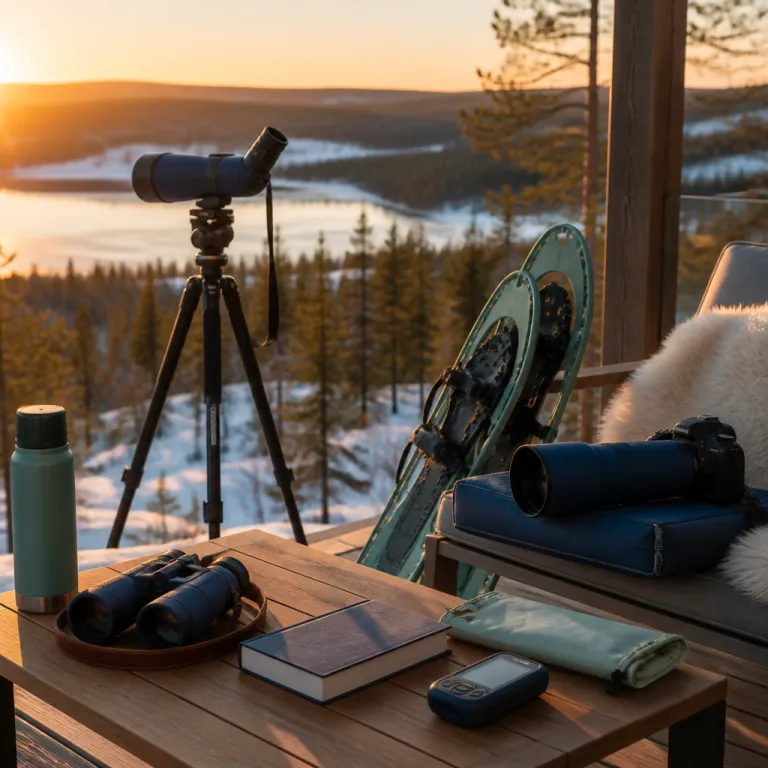
Taiga wildlife as the new luxury in Lapland stays
In Finland, luxury travel is shifting toward quiet encounters with northern forest wildlife. High end Lapland retreats now sell the hush of the boreal woods as their most precious amenity, turning every stay into a refined immersion in the taiga biome. For Finnish guests used to nearby trees and lakes, the difference lies in curated access to remote forest areas where animals still shape daily rhythms.
The coniferous belt that stretches across northern Finland belongs to the vast boreal forest zone of the northern hemisphere. It links this country to Canada, the United States, Russia and the immense Siberian taiga, creating one of the planet’s largest forest systems and most influential climate regulators. When you book a premium hotel in Lapland, you are effectively reserving a front row seat on this global northern forest and its sensitive climate change story.
Luxury hoteliers now design experiences around the contrast between deep winter and light filled summer. In the warmest months, guests walk soft forest floor paths under pine and spruce canopies, while in midwinter they watch the same area under -30 °C temperatures from glass suites. This seasonal choreography of light, snow and tree growth defines wildlife behaviour and gives Finnish travellers a richer sense of how animals live taiga realities through long days and longer nights.
Lapland retreats that frame the boreal forest like a private gallery
Premium Lapland hotels increasingly act as viewing galleries for the surrounding boreal forests. Architects orient suites toward old growth stands, where coniferous trees of pine and spruce mix with pockets of birch and aspen that glow in late summer and autumn. The most sought after rooms face quiet forest areas rather than ski slopes, because guests want to watch animals move naturally between trees and across the forest floor.
For solo travellers from Finland, this shift has created a new style of silent luxury. Properties marketed as the country’s quietest hotels now emphasise how few people share each forest area, and how many days you can spend without hearing anything louder than wind in the trees. A detailed example is the kind of stay described in this guide to a week in Lapland’s quietest wilderness hotels, where wildlife sightings replace social programmes.
From these retreats, guests watch the boreal climate at work in real time. In midwinter, snow muffles sound and cold adapted specialists like the mountain hare (Lepus timidus) rely on camouflage, while in summer the same forest floor bursts with undergrowth that feeds herbivores. Hoteliers coordinate guided walks at different times of day, so visitors can see how the northern forest shifts between bright summer days and blue winter twilight, and how this rhythm shapes both tree growth and animal behaviour.
Designing luxury around taiga winter and taiga summer
High end Lapland properties now design their entire guest journey around the contrast between taiga winter and taiga summer. In winter, when the boreal climate brings long nights and deep snow, hotels invest in panoramic suites and heated outdoor decks that let guests watch wildlife without disturbing it. During the lighter season, the same hotels open forest trails, lakeside saunas and fire circles that draw people into the forest biome itself.
One of the clearest examples is the new generation of ultra private wilderness lodges in northern Finland. Flagship properties such as Octola Private Wilderness in Rovaniemi, the Arctic TreeHouse Hotel on the Arctic Circle and the glass igloo clusters at Kakslauttanen Arctic Resort limit guest numbers to protect the surrounding boreal forests, while offering tailored wildlife tracking, photography sessions and quiet canoe outings along forest lined rivers. A detailed case study of this approach can be seen in the story of Lapland’s most private wilderness lodge, where every design choice respects the taiga’s coniferous forests and the animals that depend on them.
Seasonal programming follows the forest’s own calendar rather than a generic holiday schedule. In taiga summer, long summer days allow extended hikes through pine and spruce stands, while in late winter guides lead small groups onto frozen wetlands where moose tracks cross the snow. Hotels brief guests on how boreal forest animals use hibernation, migration and thick fur to survive, echoing expert summaries that moose, wolves, hares, bears and lynxes share this harsh environment and that hibernation, migration and thick fur are key to survival.
From national parks to private reserves: curating taiga wildlife access
For Finnish travellers booking premium stays, the question is no longer whether a hotel is near a national park, but how it manages access to that protected area. Many Lapland retreats now sit just outside major national park boundaries, using private land to stage low impact excursions into the wider boreal forest network. This approach respects conservation rules while still giving guests meaningful contact with taiga wildlife and the surrounding forests.
Guides explain how the taiga biome stretches in a broken band from eastern Siberia through northern Russia and into northern Finland, then across to Canada and parts of the northern United States. They show how similar coniferous forests, dominated by pine and spruce, appear in the Canadian boreal forest and the Siberian taiga, yet local animals adapt differently to regional climate and soil conditions. Guests quickly see that the northern taiga in Lapland is part of a global system, but also a distinct area with its own cultural and ecological rhythms.
Some luxury operators now manage small private reserves that complement nearby national park zones. These reserves often include mixed stands of conifers and deciduous trees, wetlands and rocky ridges, creating varied habitats for animals that specialise in cold forests, such as the Eurasian lynx and the gray wolf. By limiting group sizes and the number of days each trail is used, hotels reduce stress on wildlife while still offering guests a strong chance of seeing tracks, droppings and sometimes the animals themselves moving quietly between trees.
Climate change, soil and the ethics of luxury in the taiga
Any serious luxury hotel in Lapland now has to address climate change openly. Guests from Finland understand that warming temperatures are reshaping the boreal climate, and they expect high end properties to show how their operations respond. Hoteliers therefore work closely with scientists to monitor snow cover, soil conditions and tree growth patterns in the surrounding forests.
Guides explain that the taiga biome depends on cold winters and relatively cool summer days to maintain its balance. According to the Finnish Meteorological Institute, northern Finland typically experiences long winters with persistent snow cover and short, mild summers, conditions that keep boreal soils cold and slow to thaw. Rising temperatures can alter the forest floor, thaw permafrost in some northern taiga areas and change how nutrients move through the soil, which in turn affects pine and spruce health. When boreal forests weaken, animal populations from moose to mountain hares and lynx feel the impact, and predator prey dynamics shift in ways that can destabilise the whole area.
Responsible luxury hotels now frame every wildlife experience within this climate story. They highlight how their energy systems, building materials and excursion policies aim to reduce warming impacts on the local boreal forest, while also supporting research into taiga wildlife resilience. Guests hear how the wider northern hemisphere taiga, from eastern Siberia to Canada and the United States, faces similar climate change pressures, and how choices made during a single winter stay in Finland can either add to the problem or help fund long term solutions.
Designing your Finland booking: matching hotel style to taiga wildlife goals
When Finnish travellers choose a luxury or premium hotel in Lapland, the most strategic step is to match the property’s style to their taiga wildlife expectations. Some guests want quiet observation from a glass suite overlooking forests, while others prefer active days tracking animals across frozen lakes and through spruce stands. The best booking platforms now highlight not only room categories, but also how each hotel engages with the surrounding forest area and its animals.
Season matters as much as location. Those who book for taiga winter should look for properties that offer guided night walks, heated hides and expert briefings on how animals live taiga conditions through the darkest months, when average winter temperatures can drop toward -30 °C according to National Geographic’s overview of boreal climates. Travellers planning for taiga summer might instead prioritise access to lakeside saunas, canoe routes and long summer days on forest trails, similar to the atmosphere described in this feature on late summer on a quiet Finnish lake.
Finally, informed guests now ask how each hotel relates to nearby national park zones and wider boreal forest corridors. They look for clear policies on group sizes, off trail access and wildlife feeding, because these details determine whether luxury supports or harms the taiga biome. In the most forward looking properties, staff can explain how their corner of northern taiga connects to the broader northern hemisphere belt that runs through Canada, the United States, Russia and eastern Siberia, giving every stay a sense of both place and planetary context.
Key figures shaping taiga wildlife travel in Lapland
- Average winter temperatures in the taiga can reach around -30 °C, a figure reported by National Geographic in its description of boreal forest winters, which explains why luxury hotels invest heavily in insulated glass suites and heated outdoor spaces for safe wildlife viewing.
- Annual precipitation in many boreal forest regions is close to 30 inches (about 760 mm) according to the NatureWorks education programme, meaning snow rather than heavy rain dominates winters and defines how animals move across the forest floor and how hotels plan winter activities.
- The taiga biome spans roughly between 50°N and 70°N latitude in the northern hemisphere, a range consistent with peer reviewed ecology summaries of boreal distribution, placing Finnish Lapland squarely within this belt and aligning its luxury wildlife retreats with similar experiences in Canada, the United States, Russia and eastern Siberia.
- Long winters and short summers structure the taiga’s year round timeline, so premium hotels typically concentrate wildlife tracking packages into a few key weeks of taiga winter and taiga summer when animal behaviour is most visible and daylight conditions are safe.
- Core survival strategies in taiga wildlife include hibernation, migration and camouflage, supported by thick fur and fat reserves, which is why many guided experiences focus on reading tracks and subtle signs rather than expecting constant direct sightings.
FAQ: taiga wildlife and luxury hotels in Finland
What animals can guests expect to encounter around Lapland retreats ?
In the Finnish taiga, guests may see or find signs of moose, gray wolves, brown bears, Eurasian lynxes and mountain hares, along with many smaller animals and birds. Most luxury hotels focus on tracking footprints, droppings and feeding marks on trees rather than promising close encounters. This approach respects animal welfare while still giving travellers a strong sense of the living boreal forest around them.
How do taiga animals survive the harsh Lapland winter ?
Taiga wildlife survives winter through a mix of hibernation, migration and physical adaptations such as thick fur and fat reserves. Some species, like the mountain hare, also rely on camouflage, changing fur colour to blend with snow covered forests. Luxury hotels often include short field lessons on these strategies during guided walks, helping guests read the landscape even when animals stay hidden.
What is the typical climate in the Finnish taiga ?
The Finnish taiga has long, cold winters and relatively mild, short summers with low to moderate precipitation. Snow can cover the forest floor for many days each year, while summer days bring extended daylight that accelerates tree growth and understorey vegetation. This sharp seasonal contrast shapes both hotel operations and the timing of wildlife focused activities.
Are luxury wildlife experiences compatible with conservation goals ?
Well managed luxury experiences can support conservation by funding research, guiding guests away from sensitive areas and reducing pressure on national park hotspots. The most responsible hotels limit group sizes, avoid feeding wildlife and coordinate with park authorities to align excursions with habitat protection. Travellers from Finland can reinforce this by choosing properties that publish clear environmental policies and monitoring results.
How is climate change affecting taiga wildlife tourism in Finland ?
Climate change is altering snow patterns, ice stability and seasonal timing in the taiga, which directly affects wildlife behaviour and the safety of traditional winter activities. Some Lapland retreats now adjust their calendars, shorten ice based excursions and invest in year round forest experiences that are less dependent on predictable snow. Guests increasingly expect transparent communication about these changes and how each hotel is reducing its own warming impact.