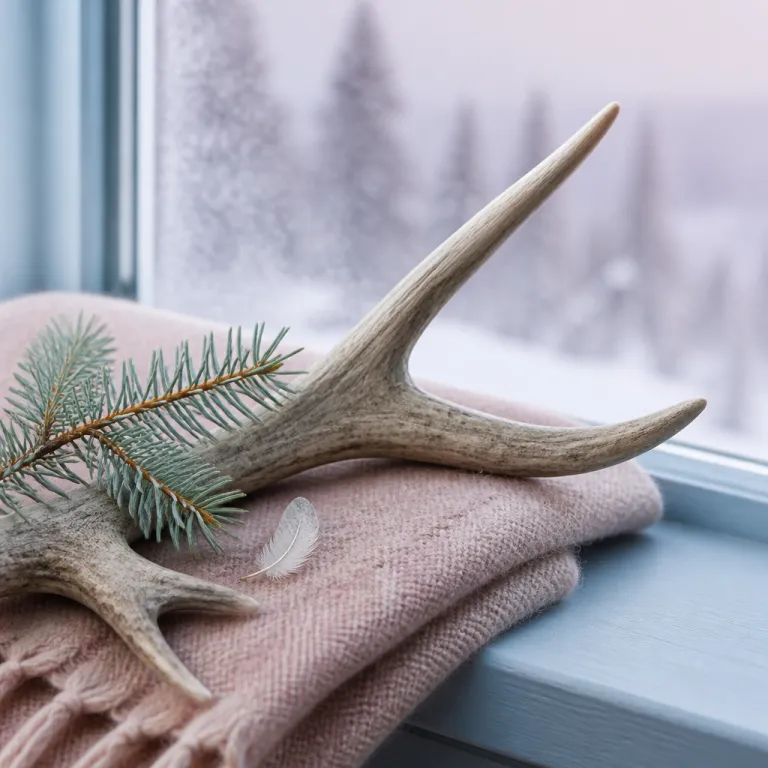
Taiga wildlife as the new luxury in Finland
In Finland, true luxury now means waking up inside living taiga wildlife rather than above a crowded city street. For high end guests, the most coveted rooms are glass roofed suites where the northern taiga stretches for kilometres, and where the quiet is broken only by the soft tread of animals moving through the boreal forest. This shift has turned carefully curated access to forests and trees into the defining feature of premium stays, especially for travellers who want to feel the pulse of a northern biome without sacrificing comfort.
Finland’s luxury nature resorts sit inside or beside protected forests, where taiga wildlife thrives in a climate shaped by long winter nights and luminous summer days. Here, the boreal climate brings subzero temperatures for months, yet the same area explodes with life during taiga summer, when soil thaws, tree growth accelerates, and animals emerge from hibernation or migration. Resort architects work with this boreal forest rhythm, orienting suites toward pine and spruce stands, framing views of coniferous forests, and using large windows to showcase how the forest floor changes from snow crust in taiga winter to moss and berries in summer days.
Guests booking these properties are not only choosing Finland over Canada or the United States; they are choosing a specific northern hemisphere biome where taiga wildlife still feels intact. The same boreal forests that link Finland to taiga Russia and the Siberian taiga also connect it ecologically to the boreal forest belts of Canada and eastern Siberia. For discerning travellers, that continuity means a stay in a Finnish national park lodge, such as a boutique cabin near Oulanka or a lakeside villa close to Nuuksio, can be part of a wider journey through northern taiga regions, while still enjoying refined dining, curated activities, and attentive service that understands both animals and people.
Designing luxury stays around forests, animals and families
High end Finnish resorts now design every detail around the surrounding forest, treating taiga wildlife as a central amenity rather than a backdrop. Floor to ceiling glass brings the boreal forest into suites, while low level lighting protects nocturnal animals such as the Boreal Owl that hunts silently above the forest floor. Architects favour local pine and spruce for interiors, echoing the coniferous forests outside and creating a visual link between crafted trees indoors and living trees outdoors.
For families travelling with young children, premium hotels in Finland increasingly combine wildlife education with practical comfort. Properties that understand travellers under five provide warm gear, flexible meal times, and quiet play corners, so parents can focus on guided walks that explain how taiga animals survive winter through hibernation, migration, and camouflage. When you choose a family friendly Lapland resort, such as a glass igloo village near Levi or a chalet complex outside Rovaniemi, look for partners that highlight Moose, Gray Wolf, Mountain Hare, and Boreal Owl as key actors in the local ecosystem, and that explain why “Moose, wolves, hares, owls.” are the answer to the question “What animals live in the taiga?”.
Booking platforms that specialise in Finland’s nature resorts now filter stays by proximity to national park boundaries, forest density, and likely animals taiga sightings. This helps families match their expectations to the actual boreal climate, whether they want gentle summer days on easy trails or a more intense taiga winter experience with temperatures that can drop well below -20 °C in northern inland areas according to Finnish Meteorological Institute summaries. Parents can compare areas where tree growth is vigorous and forest soil is stable with regions where climate change and warming are already reshaping forests, then choose properties that actively support conservation and responsible wildlife viewing.
Seasonal contrasts: taiga summer, taiga winter and luxury comfort
Seasonality defines taiga wildlife, and Finland’s luxury resorts build their guest experience around the contrast between taiga summer and taiga winter. In summer, long daylight hours turn the boreal forest into a stage where animals feed, breed, and raise young, while guests enjoy warm temperatures, soft forest floor trails, and refined picnics under trees. During winter, the same area transforms into a quiet, snowbound biome where thick fur, fat reserves, and keen senses help animals survive, and where guests watch this drama from heated glass igloos and lakeside suites.
Summer days in the northern hemisphere bring a surge of activity to coniferous forests and mixed stands with deciduous trees, especially in northern taiga zones close to the Arctic Circle. Resorts schedule guided walks timed to the best light, explaining how tree growth accelerates when soil thaws and how the boreal climate supports both pine and spruce in the same forest. Many properties also offer midsummer experiences that pair refined Finnish cuisine with explanations of how the boreal forest shapes local food traditions, and you can read more about this seasonal luxury in dedicated coverage of what Juhannus looks like at a Finnish luxury hotel.
When taiga winter arrives, temperatures plunge, days shorten, and taiga wildlife adopts survival strategies that fascinate well prepared guests. Guides explain how Mountain Hares change fur colour for camouflage, how Gray Wolves hunt in packs across frozen forests, and how Moose browse on twigs when the forest floor is buried under snow. Luxury hotels respond with deep comfort: heated floors, private saunas, and tailored clothing rentals ensure that even during the coldest days, guests can safely step into the boreal forest to feel the climate that shapes this biome.
Comparing Finland’s taiga to Canada, taiga Russia and beyond
Travellers who have visited boreal forests in Canada or the United States often arrive in Finland with a mental map of northern hemisphere coniferous forests. They quickly notice that Finnish taiga wildlife feels more intimate, with smaller scale forests, shorter distances between lakes, and a denser network of national park trails. This makes it easier to move from a luxury suite to a quiet forest in minutes, rather than hours, while still experiencing the same boreal forest biome that stretches across continents.
From a scientific perspective, Finland shares its boreal climate with Canada, taiga Russia, and the Siberian taiga, all lying roughly between 50°N and 70°N latitude. The same mix of pine, spruce, and scattered deciduous trees appears across these regions, and similar animals taiga communities have adapted to cold winters and mild summers. Yet the Finnish section of the boreal forest often feels more accessible, with well marked trails, safety infrastructure, and guides who can explain how methods such as hibernation, migration, and camouflage help animals survive in this demanding climate.
Guests interested in a broader northern taiga journey can use Finland as a refined starting point before exploring the more remote boreal forests of eastern Siberia or the vast coniferous forests of northern Canada. Luxury booking platforms highlight how Finland’s resorts offer strong baseline comfort, from gourmet dining to spa facilities, while still providing authentic contact with taiga wildlife. Once travellers understand the rhythms of taiga summer and taiga winter in a controlled environment, they are better prepared to appreciate wilder areas where infrastructure is limited but the biome remains largely untouched.
Climate change, warming soils and responsible luxury
Climate change is reshaping taiga wildlife, and Finland’s premium hotels increasingly acknowledge this reality in their guest experiences. Warmer temperatures alter snow cover, affect soil stability, and change the timing of tree growth, which in turn influences how animals use the forest. Resorts that take their environmental role seriously now share data on warming trends, explain how boreal forests store carbon, and invite guests to support conservation projects that protect both trees and animals.
Guides often point out subtle signs of climate change on the forest floor, such as shifting moss patterns, thawing permafrost patches in northern taiga zones, or changes in the mix of coniferous forests and deciduous trees. They explain that annual precipitation in many Finnish taiga regions, typically in the range of 20 to 28 inches according to Finnish Meteorological Institute climate summaries, interacts with rising temperatures to stress some species while favouring others. Guests learn how the boreal forest acts as a global climate regulator, and how protecting large continuous forests in Finland, Canada, and taiga Russia helps stabilise the northern hemisphere climate.
Responsible luxury also means respecting local cultures and wildlife knowledge, especially in Lapland where Sámi communities have lived alongside taiga wildlife for generations. Travellers can prioritise resorts that build long term partnerships with Sámi organisations, share decision making on land use, and integrate traditional ecological knowledge into guided activities; a detailed analysis of three Lapland hotels getting Sámi partnerships right offers a useful benchmark. By choosing properties that align comfort with conservation, guests help ensure that future days in the boreal forest will still include the calls of Boreal Owls, the tracks of Moose, and the quiet presence of Gray Wolves moving through the trees.
Booking strategies for premium taiga wildlife experiences
Securing the best taiga wildlife stay in Finland starts with understanding how season, location, and property philosophy interact. Guests should first decide whether they prefer the bright intensity of taiga summer, with long summer days and active animals, or the contemplative stillness of taiga winter, when the biome slows but remains alive beneath the snow. Once the season is clear, the next step is choosing an area; options range from southern boreal forests with easier access to cities to northern taiga regions where the forest feels wilder and the night sky darker.
When comparing properties, look beyond room photos and focus on how each hotel integrates the surrounding forest into its design and operations. Strong candidates will highlight their proximity to a national park or protected forest, describe specific animals taiga species commonly seen, and explain how they minimise disturbance to wildlife. Many of the best resorts publish clear guidance on dressing warmly, preparing for remote conditions, and understanding that average winter temperatures in interior taiga zones can fall below -20 °C for extended periods, which ensures guests arrive ready to enjoy the climate rather than fight it.
Finally, consider how each booking platform curates its portfolio of Finnish nature resorts and how transparently it communicates about taiga wildlife. The most reliable services provide detailed maps of forests and lakes, outline typical temperatures by month, and explain how their partners support biodiversity and local communities. By choosing such platforms, travellers gain not only a refined stay among pine and spruce trees but also the confidence that their presence in the boreal forest contributes to sustaining biodiversity, supporting research on climate change, and keeping this northern hemisphere biome resilient for future generations.
Key figures on taiga wildlife and luxury stays
- Average winter temperatures in many Finnish taiga regions can fall below -20 °C, especially in continental interior zones, which explains why luxury resorts invest heavily in insulation, private saunas, and heated glass structures.
- Annual precipitation in typical boreal forests is generally between 20 and 28 inches in Finland according to Finnish Meteorological Institute climate data, a level that supports dense coniferous forests of pine and spruce while keeping the forest floor relatively dry under snow in winter.
- The taiga biome spans roughly between 50°N and 70°N latitude across the northern hemisphere, placing Finland in the heart of a global belt that also includes Canada, the United States, taiga Russia, and eastern Siberia.
- Wildlife activity follows a year round cycle, with winter dominated by hibernation or migration and summer focused on breeding, which is why many Finnish nature resorts design distinct taiga summer and taiga winter packages.
- Key taiga wildlife species such as Moose, Gray Wolf, Mountain Hare, and Boreal Owl illustrate predator prey dynamics that sustain ecological balance, and many high end Finnish hotels now structure guided walks around observing signs of these animals.
FAQ: taiga wildlife and Finnish luxury nature resorts
What animals are guests most likely to encounter in Finland’s taiga?
In Finland’s boreal forest, guests commonly see or track Moose, Gray Wolves, Mountain Hares, and Boreal Owls, alongside many smaller animals adapted to the boreal climate. Resorts often focus on these species because they illustrate how predator prey relationships maintain ecological balance. Discreet viewing hides and guided walks increase the chances of respectful encounters without disturbing wildlife.
How do taiga animals survive the harsh Finnish winter?
Taiga wildlife survives winter through a combination of hibernation, migration, and specialised adaptations such as thick fur, fat reserves, and keen senses. Some species, like Mountain Hares, change fur colour for camouflage, while others, like certain birds, migrate to milder areas. Luxury resorts integrate these survival stories into their winter programming, helping guests understand the resilience behind each track in the snow.
What is the typical climate in Finland’s taiga regions?
Finland’s taiga climate features long, cold winters with frequent subzero temperatures and relatively mild, short summers with long daylight hours. Precipitation is moderate, generally between 20 and 28 inches annually in many boreal forests, falling as both rain and snow. This pattern supports coniferous forests dominated by pine and spruce, with patches of deciduous trees on richer soil.
How is climate change affecting taiga wildlife and luxury tourism?
Climate change is altering snow patterns, shifting temperatures, and affecting the timing of tree growth, which in turn changes how animals use the forest. Some species expand their range northward, while others face habitat stress, prompting Finnish resorts to adapt their operations and support conservation. Guests increasingly choose properties that monitor warming trends, reduce emissions, and invest in protecting boreal forests.
What should travellers pack for a luxury stay in Finland’s taiga?
Even at high end resorts, guests should pack layered clothing, insulated boots, and windproof outerwear to match the boreal climate. Properties usually provide detailed packing lists and may offer rental gear, but personal base layers and accessories such as hats and gloves remain essential. Following local advice to dress warmly and prepare for remote conditions ensures that taiga wildlife excursions remain comfortable and safe.