How eco lodges in Finland go beyond the green marketing gloss
Eco lodges in Finland operate in a country where roughly 90 percent of electricity already comes from low carbon or renewable sources, according to Statistics Finland and the Finnish Energy Authority (2022 figures), so simply plugging into the grid does not make a property exceptional. A genuinely sustainable lodge or a collection of eco cabins must show how it handles water, waste, heating, and food sourcing in a way that respects fragile Nordic nature and the communities that host your stay. When you compare different eco lodge Finland options, focus on what they do beyond the national baseline, not just on the word eco printed on a website.
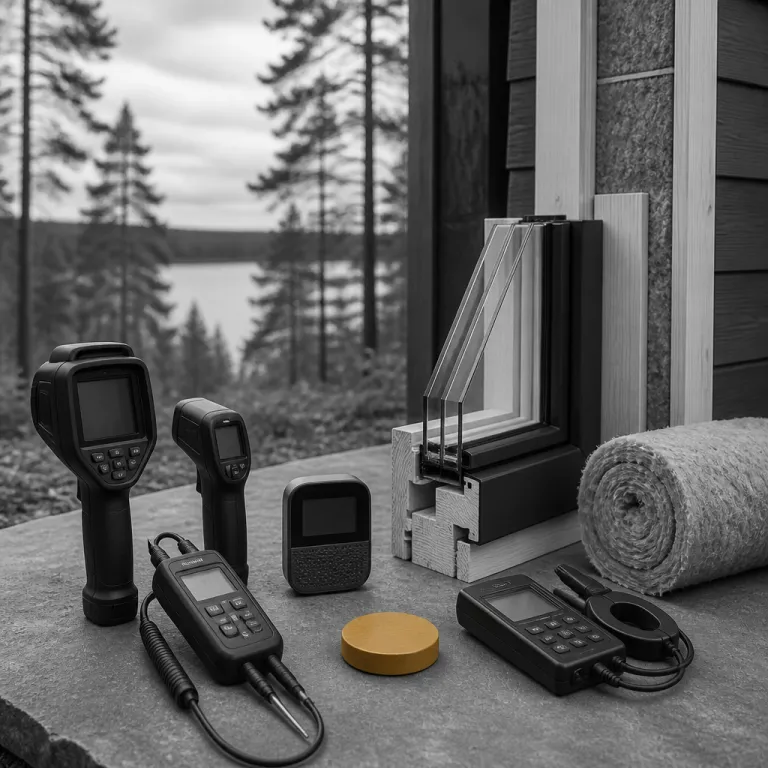
Look for properties that publish clear data on energy use per night, explain how they insulate cabins in the Arctic climate, and describe how grey water is treated before it returns to the Ounasjoki River or to nearby lakes. For example, some Lapland lodges now report average consumption of under 15 kWh per guest night in their annual sustainability reports and use biological filtration for wastewater before it reaches the river system. A serious eco lodge in Finland will usually combine renewable electricity with smart building envelopes, triple glazing, and low flow fixtures, which together reduce the energy needed to keep a forest lodge warm during a long polar night. When a retreat in Lapland Finland or on a quiet forest island shares this level of transparency, ideally with data that can be cross checked against municipal or certification audits, you can trust that the eco label is more than a marketing flourish.
Waste is another sharp filter when assessing any eco lodge Finland stay, especially in remote island forests or in the Finnish archipelago. Ask how organic waste from your island breakfast or archipelago dinner is composted, how recyclables are sorted, and how often waste is transported off an island or out of Rovaniemi Lapland. Many of the most credible places now publish simple diagrams of their waste streams or list their recycling rates alongside energy data, sometimes verified in Green Key or Sustainable Travel Finland audit summaries. If a lodge cannot explain its waste system in plain language, it is unlikely to be the kind of sustainable accommodation Finland travelers expect when they choose to pay a premium for responsibility.
Certifications that actually mean something for eco lodges in Finland
In a mature market like Finland, where sustainable travel is a national strategy, certifications help you separate serious eco lodges from pretty marketing photos. Green Key, Sustainable Travel Finland, and Biosphere are the labels that matter most for an eco lodge in Finland, because they audit energy, water, waste, and community impact over time rather than once at opening. Green Key Finland reports around 200 certified establishments nationwide, and Visit Finland’s Sustainable Travel Finland programme publishes a public list of approved companies with unique IDs for each business. When you see these logos on a lodge website and can match them to an entry in the official database, you know that someone independent has checked whether the eco promises match the daily operations of the lodge.
Several leading properties show how this works in practice, from Spa Hotel Rauhalahti with its Green Key and Sustainable Travel Finland labels to Revontuli Resort with Biosphere Certification and the same national programme. Spa Hotel Rauhalahti, for instance, reports annual energy savings of more than 10 percent since adopting its current environmental plan, while Revontuli’s Biosphere profile details targets for waste reduction and local sourcing that are monitored through periodic reviews. Lossiranta Lodge, which has earned the Green Key eco label, demonstrates how a small Finnish lodge can align a romantic lakeside stay with rigorous environmental standards while still feeling intimate and warm. These examples matter when you evaluate any eco lodge Finland option, because they prove that luxury, sauna rituals, and low impact design can coexist in one carefully managed stay.
For couples planning a premium eco stay, use these certifications as a first filter, then read deeper into how each eco lodge in Finland interprets sustainability in its own landscape. Cross check claims against Visit Finland’s Sustainable Travel Finland database or the Green Key Finland list of certified properties, and look for lodges already featured in independent guides to luxury eco hotels in Finland or in critical media coverage that discusses both strengths and areas for improvement. When a nature lodge appears in both certified lists and third party editorial reviews, you can book with more confidence that the eco and luxury promises will hold up once you arrive.
Ollero Eco Lodge and the Lapland benchmark for close nature stays
In Lapland Finland, Ollero Eco Lodge has become a reference point for how a family owned property can balance romance, privacy, and environmental responsibility. The lodge sits on the banks of the Ounasjoki River near Rovaniemi, giving couples a front row seat to northern lights in winter and midnight sun in summer without needing to drive deep into the wilderness every night. Because Ollero Eco Lodge is small, each stay can be tailored to your pace and your appetite for Arctic experiences, from silent snowshoe walks to slow mornings in the sauna watching the river steam.
What sets Ollero Eco Lodge apart is not only its location just below the Arctic Circle, but the way the owners have embedded sustainability into every part of the stay. Cabins are oriented to capture natural light and warmth, cleaning products are carefully chosen, and the team encourages guests to spend time outdoors rather than in energy hungry common areas, which keeps the environmental footprint of each night lower than at many larger Lapland resorts. The lodge also reports using 100 percent renewable electricity and modern wastewater treatment that meets municipal standards, information that guests can verify through local utility documentation or, where applicable, certification reports. When you book here, you feel close to nature in a literal sense, with the forest pressing against your windows and the soft crunch of snow underfoot as you walk between the main lodge and the riverside sauna.
Couples comparing eco lodge Finland options in Rovaniemi Lapland should look at Ollero Eco Lodge as a benchmark for authenticity and restraint. It does not chase spectacle, instead offering a Nordic rhythm of time in the hot tub or sauna, time under the lights, and time in silence, which suits travelers who value intimacy over crowds. If you want to understand how Lapland luxury is evolving toward net zero and deeper partnerships with Sámi communities, seek out recent analyses by Finnish tourism researchers and Sámi representatives that examine whether high end Arctic stays have earned their sustainability claims before you choose your final eco lodge Finland booking.
From forest spa rituals to archipelago dinners: what sustainable luxury feels like
True luxury in an eco lodge in Finland is less about marble bathrooms and more about how thoughtfully your time in nature is choreographed. A forest spa session, for example, might combine a wood fired sauna, a plunge into cold lake water, and a slow walk through forest island trails, all designed to reconnect you with the Finnish landscape while keeping resource use low. When a lodge offers this kind of experience, you feel that every minute of your stay is shaped by the seasons, the light, and the quiet rather than by a generic spa menu.
On the coast, the Finnish archipelago offers a different expression of eco lodge Finland hospitality, where island forests, sea kayaking, and meals built around local fish define the rhythm of the day. A carefully planned archipelago dinner might feature fish caught within a few kilometres, vegetables from nearby farms, and berries picked on the same island, while an island breakfast leans on rye bread, local dairy, and preserves made on site, all of which reduce transport emissions and support small producers. When you paddle between islands by sea kayaking instead of booking a motorboat tour, you experience the archipelago at a human pace and keep your own footprint light.
Inland, properties like Kalliokumpu Eco show how a forest spa and hot tub can be integrated into a low impact design that still feels indulgent. When you stay at Kalliokumpu Eco, or when you stay Kalliokumpu in one of its cabins, you notice how the hot tub is heated efficiently, how the forest spa structures sit lightly among the trees, and how lighting is kept subtle to protect nocturnal wildlife and preserve views of the northern lights. The owners also highlight the use of sustainably sourced firewood and LED lighting to keep energy demand modest, details that can often be checked against their Green Key style environmental policy or local energy audits. This is the kind of detail that should guide your eco lodge Finland choices, because it shows that comfort and conscience can share the same space without compromise.
Islands, archipelagos, and the carbon cost of getting there
For many couples, the dream eco lodge in Finland sits on a quiet island in the Finnish archipelago or on a remote forest island reached by a short ferry ride. The reality is that reaching an island lodge or a cluster of eco lodges in the archipelago usually involves a flight to Helsinki or Turku, then a combination of trains, buses, and boats, which means the carbon footprint of the journey can easily exceed the footprint of the stay itself. When you plan an eco lodge Finland trip, you need to think about the whole chain, not just the sustainability of the lodge once you arrive.
One way to balance this is to stay longer in each place, turning a single night on island Vartsala or in Lapland Finland into several nights, which spreads the emissions of your flight over more days and deeper experiences. Choose slow travel where possible, using trains to reach Rovaniemi or the Arctic Circle region, then local buses or shared transfers to your lodge, instead of short domestic flights that add disproportionate emissions for very little time saved. When you finally step onto an island jetty or into a forest lodge reception, the slower journey often makes the first breath of pine scented air feel more meaningful.
Once you are in place, keep your movements gentle and local, whether that means sea kayaking between nearby islands, hiking through island forests, or simply spending time in the sauna watching the water shift with the wind. Many eco lodge Finland properties now offer equipment like kayaks, snowshoes, and bicycles as part of the stay, which encourages low impact exploration and reduces the need for fuel hungry excursions. If you want to understand how to extend this thinking to cultural experiences in Lapland, especially around Sámi communities, look for guidance from Sámi organisations and Finnish ethical tourism bodies on how to visit Sámi Lapland without becoming the problem before you finalise your itinerary.
How to read between the lines on eco claims when booking
When you scroll through a luxury booking website, it can be hard to tell which eco lodge in Finland is genuinely sustainable and which one is simply using green language. Start by checking for third party certifications like Green Key or Sustainable Travel Finland, then read how the lodge describes its energy, water, and waste systems in concrete terms rather than vague promises. If a property in Rovaniemi Lapland or on an island in the Finnish archipelago can explain its operations clearly, it usually means the team has done the work behind the scenes.
Next, look at how the lodge talks about local employment, community partnerships, and cultural respect, especially in Lapland Finland where Sámi heritage is often used as a marketing hook. A serious eco lodge Finland property will employ local staff in meaningful roles, source food and services from nearby businesses, and be transparent about how it works with indigenous communities rather than offering generic folklore nights. When you see this level of detail, ideally backed by references to local co-operation agreements or community feedback, you can trust that your stay supports more than just the lodge owners and that your time in nature contributes to the resilience of the region.
Finally, pay attention to scale and design, because small does not automatically mean sustainable and large does not always mean careless. Some family run lodges like Ollero Eco Lodge or Kalliokumpu Eco have used their size to experiment with low impact building materials and careful land use, while larger properties such as Spa Hotel Rauhalahti and Revontuli Resort have leveraged resources to obtain multiple certifications and invest in long term improvements. Green Key and Sustainable Travel Finland both publish certification IDs and criteria, which you can use to verify that these claims are current. When you combine these checks with your own instincts about how a place feels, you will be better equipped to choose an eco lodge Finland stay where the sustainability credentials genuinely check out.
Key figures behind Finland’s eco lodge landscape
- There are around 200 Green Key certified establishments in Finland, a figure reported by Green Key Finland that shows how widely formal sustainability standards have been adopted across hotels, lodges, and other accommodations.
- Visit Finland and European travel surveys indicate that roughly 70 percent of tourists now actively seek sustainable accommodations, which explains the rapid growth in eco lodge Finland offerings and the parallel rise in environmental certifications.
- Tampere’s selection as a European Capital of Smart Tourism, alongside Dubrovnik, highlights how Finnish cities are integrating sustainability and digitalisation, setting a benchmark that rural eco lodges increasingly aim to match in their own operations.
- Recent recognition for properties such as Kanava Resort with the Good Travel Seal and Peurunka with the Sustainable Travel Finland label underlines how mid scale resorts are joining smaller lodges in formalising their environmental commitments.
FAQ: eco lodges in Finland and how to verify their claims
What is the Green Key certification ?
An international eco-label for tourism establishments promoting sustainable practices, covering criteria such as energy efficiency, water conservation, waste management, and staff training. Each certified property receives a unique ID that can be checked on the Green Key website or through national operators like Green Key Finland.
How can I verify a lodge's sustainability credentials ?
Look for recognized certifications like Green Key or Sustainable Travel Finland, then cross check the lodge name and certification ID on the programme’s official website to confirm that the status is current. You can also read public audit summaries or environmental reports, where available, to see how the lodge performs against its targets.
Are eco lodges more expensive than traditional hotels in Finland ?
Prices vary widely, and some eco lodges are competitively priced with traditional accommodations, especially outside peak northern lights and midnight sun seasons when demand is highest. Certified properties sometimes offer packages that reward longer, lower impact stays with better nightly rates.
Does staying at an eco lodge in Finland offset the emissions from my flight ?
No accommodation can cancel out the carbon from long haul travel, but choosing a certified eco lodge, travelling overland within Finland, and staying longer in each place can significantly reduce the overall footprint of your trip. If you wish, you can also support verified climate projects in addition to making low impact choices on the ground.
What practical steps can I take as a guest to support sustainability during my stay ?
You can minimise energy and water use, join lodge offered low impact activities, respect local environmental guidelines, and choose experiences that support nearby communities rather than high impact excursions. Asking polite questions about certifications, local partnerships, and cultural protocols also signals to hosts that responsible travel matters to their guests.