How carbon neutral airports quietly reset the baseline for luxury travel in Finland
Landing in Finland already shifts the climate equation before you reach your hotel. Finavia, the national airport operator, has pushed its climate action so far that all its airports now run as carbon neutral, and they are moving along a clear development path toward net zero operations. For couples planning sustainable travel in Finland, that means the environmental impact of airport ground operations is dramatically lower than in many competing destinations.
Carbon neutral in this context is precise, not marketing poetry. Finavia’s own explanation is clear : “What is a carbon-neutral airport? An airport with net-zero carbon emissions.” That definition covers airport buildings, ground vehicles and energy use, but it does not include airline emissions, so your long haul flight to Finland still carries a significant environmental footprint that no label can erase.
For a luxury traveler, the value lies in understanding what this infrastructure level sustainability actually changes. When the airport’s electricity is largely renewable and heating is decarbonized, the environmental share of your total trip shifts toward flights and on the ground activities instead. This is where a thoughtful development plan for your itinerary, from airport transfer to hotel check in, becomes as important as choosing a property with a credible Finland label for sustainable tourism.
Start by treating the airport as the first step in your personal Finland programme for lower impact travel. Opt for electric taxis or rail links from Helsinki Airport, which plug into a grid where more than 90 percent of electricity comes from low carbon sources, and you immediately align your sustainability work with the national system. In practice, this means your transfer to the city can be both quiet and genuinely green, not just branded as such.
For couples using a premium booking platform like myfinlandstay.com, this context matters when comparing properties. A hotel that highlights its own action plan for reducing environmental pressures, while also integrating with low carbon airport transfers and national rail, will usually beat a standalone eco narrative. In the ecosystem of sustainable travel Finland, infrastructure and hospitality companies work together, and the most credible luxury stays lean into that shared responsibility.
Electric ferries, archipelago silence and the new definition of green comfort
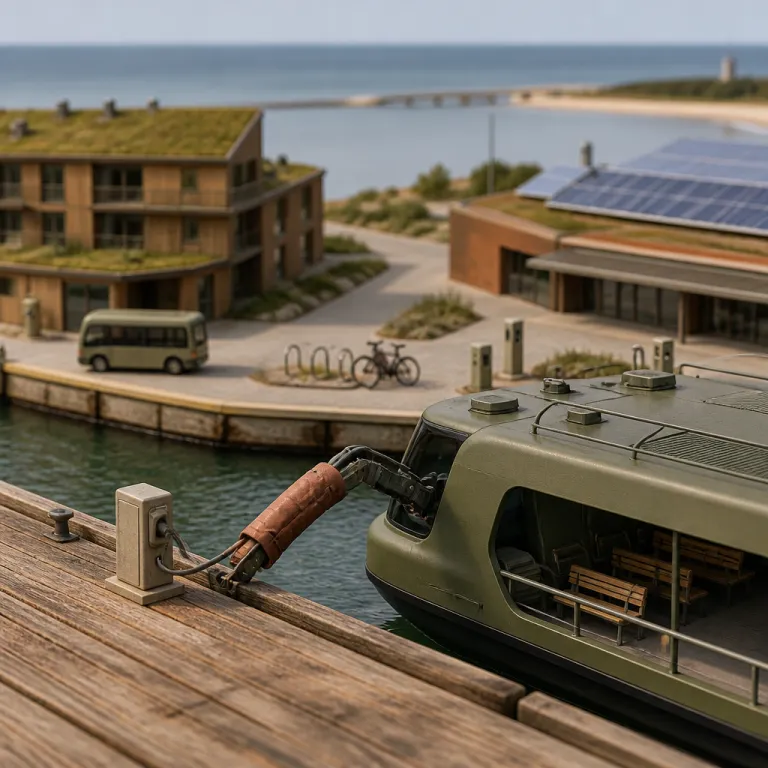
Once you leave the runway, the next quiet revolution in sustainable travel across Finland happens on water. Electric and hybrid ferries are steadily reshaping how travelers move through the Turku Archipelago and the great lake districts, turning transfers into low hum journeys where the loudest sound is often the wind in the pines. For couples chasing both romance and nature, this shift in services changes the feel of the entire trip.
Electric ferries cut emissions by design : “How do electric ferries reduce emissions? By eliminating fossil fuel use.” When these vessels plug into a grid powered mainly by hydro, wind and nuclear, the environmental impact of crossing from one island hotel to another drops sharply compared with diesel boats. This is where the national programme for renewable energy and the tourism sector’s own sustainability work intersect in a very tangible way.
For travelers using a curated site like myfinlandstay.com, the practical question is how to find these green activities and routes without sacrificing comfort. Look for archipelago properties that clearly state their connection to electric ferry lines, and ask whether their preferred transfer company uses hybrid or fully electric vessels for activities such as island hopping or private sunset cruises. Many of the most refined eco lodges highlighted in guides to eco lodges in Finland where sustainability credentials actually check out already integrate these options into their guest experience.
In the lake regions, small scale operators are experimenting with electric boats for silent wildlife watching, which pairs beautifully with Finland’s protected national parks. When you choose these green activities over conventional motorboats, you are not only reducing environmental noise and emissions, you are also aligning your romantic escape with the country’s broader development path toward cleaner inland waterways. The luxury here is the stillness, not the engine roar.
From a planning perspective, think of ferries and lake boats as part of your personal stf programme for the trip, even if you are not formally tracking every gram of CO₂. Selecting electric crossings, pairing them with a hotel that carries a credible sustainability label and choosing food tourism experiences built around local, seasonal menus creates a coherent Finland programme for low impact indulgence. In this version of sustainable travel Finland, the route between properties becomes as meaningful as the rooms themselves.
Rail, renewable grids and why the overnight train beats another short flight
On land, Finland’s rail network is the quiet backbone of serious sustainable tourism. The overnight train from Helsinki to Rovaniemi has become a kind of Nordic rite of passage for couples who prefer a glass of wine in a private sleeper to another domestic flight. When that train runs on electricity from a grid that is overwhelmingly low carbon, the climate logic becomes hard to ignore.
For a traveler focused on sustainable travel, the key is understanding how this infrastructure level climate action interacts with your hotel choices. When you swap a one hour flight for a night train, you dramatically cut the environmental impact of moving between southern companies destinations like Helsinki and northern ones near the Arctic Circle, while also reclaiming time that would otherwise vanish in security lines. This is where a thoughtful development plan for your itinerary can feel both indulgent and responsible.
Couples booking through myfinlandstay.com increasingly combine Helsinki’s design hotels with Lapland glass igloos using rail as the connecting thread. In this context, the most credible properties are those that integrate the rail option into their own action plan for reducing environmental pressures, perhaps by offering station transfers in electric vehicles or aligning check in times with train arrivals. When a hotel’s sustainability work extends beyond its walls into transport, the Finland label of responsibility feels earned rather than decorative.
Transparency matters here, especially when every second property seems to wave a green badge. Before you book, read critical analyses such as this guide on questioning green claims in Finnish hotels, then cross check whether the hotel’s stated stf commitments align with its actual transport recommendations. A property that promotes rail, electric ferries and green activities in nearby national parks is usually further along its development path than one that simply lists a generic stf label on its website.
For couples, the payoff is both emotional and practical. Waking up as the train glides past snow dusted forests, then stepping into a lobby where the company has a clear development programme for energy, waste and food tourism, creates a sense of narrative coherence that pure offsetting never achieves. In the ecosystem of sustainable travel Finland, rail is not a compromise ; it is often the most luxurious way to move.
From airport apron to sauna deck: calculating the full trip carbon story
Talking about sustainable travel in Finland only at the hotel level misses the real story. The country’s infrastructure, from Finavia’s carbon neutral airports to electric ferries and low carbon rail, means your baseline emissions are already lower than in many destinations before you even choose a room. The question for a discerning couple is how to build on that foundation with a personal action plan that feels both rigorous and realistic.
Think of your trip as three layers : flights, in country transport and hospitality. The first layer remains the hardest, because airline emissions sit outside the airport’s own climate action and are not erased by any label or stf programme, so high quality offsets or contribution based schemes are still part of the conversation. The second and third layers, however, are where Finland’s national infrastructure and the tourism sector’s sustainability work give you real leverage.
On the ground, prioritize electric trains, trams and ferries, then choose hotels and companies that publish a clear development plan for energy, water and waste. When a property can show how its own Finland label or stf label connects to a broader Finland programme for reducing environmental pressures, you are no longer relying on vague promises. You are aligning your romantic escape with a measurable programme of change.
Food is the next frontier in this full trip calculation. In Finland, food tourism can be both indulgent and sustainable when chefs work with local producers, wild herbs and lake fish rather than air freighted delicacies, and when restaurants integrate their own action plan into the hotel’s wider development programme. Choosing tasting menus that highlight seasonal ingredients from nearby companies destinations is a subtle but powerful way to lower your environmental impact while deepening your sense of place.
Finally, consider your own rhythm of activities. A day built around slow green activities in national parks, sauna sessions and quiet lake swims will almost always be lighter on emissions than one packed with helicopter tours or long distance excursions. In the context of sustainable travel Finland, luxury is often the freedom to linger, not the pressure to tick every box.
Designing a low carbon itinerary without sacrificing Nordic indulgence
Building a low carbon itinerary in Finland that still feels lavish is less about sacrifice and more about sequencing. Start by anchoring your route around hubs where companies and services already align with the stf program and national sustainability work, such as Helsinki, Turku and Tampere. From there, layer in stays at properties that treat sustainable tourism as a design principle rather than a marketing add on.
In Helsinki, choose a hotel that connects directly to tram or metro lines powered by the country’s low carbon grid, then add a second stop in the archipelago or lake district accessible by electric ferry. This structure lets you experience both urban culture and deep nature while keeping your environmental impact in check, especially if you rely on rail between cities instead of domestic flights. When each leg of the journey supports your personal development path toward lower emissions, the whole trip feels more intentional.
For couples, the romance often lies in the details. Think private sauna sessions in lakeside cabins where the company has a clear development programme for water use, or tasting menus that turn food tourism into a narrative about local producers and foragers rather than imported luxury. When you book through a curated platform like myfinlandstay.com, look for editorial notes that highlight not just amenities but also the property’s role in the wider Finland programme for reducing environmental pressures.
Seasonality matters too. Cooler summers and snowy winters are drawing more visitors from warmer regions, a trend explored in depth in this analysis of the coolcation effect on Finnish hotels, and this shift can actually support sustainable travel Finland when it spreads demand beyond peak weeks. Traveling slightly off peak allows companies destinations to manage resources more evenly and gives you quieter access to green activities in national parks. In this context, luxury is the ability to choose your moment, not just your suite.
Throughout, keep your own action plan simple and human. Aim to fly less within the country, choose electric or rail whenever possible, stay in properties with transparent stf aligned development plans and favor local experiences over imported spectacle. That is how a romantic escape becomes part of a credible story of sustainable travel in Finland rather than just another green tinted weekend.
The honesty test: flying to Finland, labels and what really counts
There is a hard truth at the center of every conversation about sustainable travel to Finland. Long haul flights generate substantial emissions, and no amount of airport efficiency or hotel level sustainability work can make them vanish. The most credible actors in Finnish tourism know this and focus instead on building a system where everything around the flight is as low impact as possible.
That system includes Finavia’s carbon neutral airports, the expansion of electric ferries and a rail network powered by a low carbon grid, all underpinned by a national programme for climate action. It also includes the Sustainable Travel Finland framework, often shortened to the STF or stf programme, which gives companies and companies destinations a structured development path and development plan for reducing environmental pressures. When a hotel or activity provider carries the stf label, it signals ongoing sustainability work rather than a one off certification.
For travelers, the honesty test is simple. Does the property or company talk openly about the limits of its own Finland label or sustainability programme, and does it connect its efforts to the wider Finland programme for sustainable tourism and climate action ? Or does it hide behind vague language and generic green claims that could apply anywhere ? The former invites you into a shared project ; the latter treats you as a marketing metric.
Couples who care about sustainable travel Finland do not need perfection, but they do deserve clarity. Ask how the hotel measures its environmental impact, whether it participates in the stf program, how it supports local companies through food tourism and green activities, and how it integrates low carbon transport into its guest journey. When the answers are specific, and when they align with the national push for carbon neutral infrastructure, you can relax into the sauna knowing your stay is part of a credible transition rather than a marketing story.
Key figures shaping sustainable travel in Finland
- Finavia operates around 20 airports in Finland that have already reached carbon neutral status, and these airports are now moving toward net zero operations through a combination of renewable energy, efficiency measures and targeted offsets (Finavia data, multi year programme).
- Renewable diesel supplied by Finnish energy company Neste can reduce greenhouse gas emissions by up to 90 percent compared with fossil diesel, which significantly lowers the environmental impact of ground transport and service vehicles when adopted at airports and by tourism companies (Neste lifecycle analysis).
- Finland’s electricity mix is more than 90 percent low carbon, combining hydro, wind and nuclear power, which means that every electric train, tram and ferry used by travelers has a far smaller climate footprint than similar services in many other European countries (national energy statistics).
- Electric and hybrid ferries are being rolled out across key archipelago and lake routes as part of a broader sustainable infrastructure development programme, directly supporting the national goals to reduce carbon emissions from transport and promote sustainable travel (government and regional transport plans).
- Cities such as Tampere, recognized as a leading smart tourism capital, are using digital tools and data driven planning to reduce congestion, optimize public transport and support low impact visitor flows, which helps align urban tourism growth with long term sustainability targets (city level development programmes).
FAQ about carbon neutral infrastructure and sustainable travel in Finland
What does it mean that Finnish airports are carbon neutral ?
When Finnish airports are described as carbon neutral, it means that their own operations, such as buildings, ground vehicles and energy use, have net zero emissions after reductions and offsets. As Finavia explains : “What is a carbon-neutral airport? An airport with net-zero carbon emissions.” Airline emissions from flights are accounted for separately and are not eliminated by this status.
Do electric ferries in Finland really make a difference for travelers ?
Electric ferries significantly reduce emissions compared with traditional diesel vessels, especially in a country where the electricity grid is largely low carbon. As the dataset notes : “How do electric ferries reduce emissions? By eliminating fossil fuel use.” For travelers, choosing routes and operators that use electric or hybrid ferries is one of the most effective ways to cut the transport related environmental impact of island and lake itineraries.
How does the Sustainable Travel Finland (STF) programme work for hotels ?
The Sustainable Travel Finland programme, often shortened to STF, gives tourism companies and destinations a structured development path that includes assessing environmental impact, setting an action plan, training staff and reporting on progress. Hotels and activity providers that complete this sustainability work can use the STF label, signaling that they are engaged in an ongoing Finland programme for sustainable tourism rather than a one time certification.
Is taking the train in Finland better for the climate than flying domestically ?
Yes, using Finland’s electric rail network is generally far better for the climate than taking domestic flights, because trains draw power from a grid where more than 90 percent of electricity is low carbon. When couples choose the overnight train between cities such as Helsinki and Rovaniemi instead of flying, they substantially reduce their travel related emissions while also benefiting from a comfortable, time efficient journey.
Can a luxury trip to Finland ever be truly sustainable ?
A luxury trip to Finland will always have some environmental impact, especially due to long haul flights, but the country’s carbon neutral airports, electric ferries and low carbon rail system allow travelers to reduce that impact significantly. By combining these infrastructure advantages with stays at STF aligned hotels, choosing local food tourism and prioritizing green activities in national parks, couples can design itineraries that are both indulgent and meaningfully lower carbon.